Mondongo soup is one of the most beloved traditional dishes across many Latin American and Caribbean countries. Rich, hearty, and deeply satisfying, this soup has earned a reputation for bringing families together around the table while preserving generations of culinary heritage. For anyone searching for the best mondongo soup near me, understanding the history, ingredients, preparation methods, and regional variations can make the dining experience even more rewarding.
This comforting soup is built around slow-cooked tripe combined with vegetables, herbs, and spices that create layers of flavor impossible to achieve through quick cooking. Every region has its own interpretation, making each bowl unique while maintaining the essence that has made mondongo a treasured dish for centuries.
Whether enjoyed in a cozy family-owned restaurant, a bustling neighborhood eatery, or prepared at home using traditional recipes, mondongo soup offers a culinary experience that celebrates culture, patience, and authentic cooking. The growing popularity of traditional comfort foods has introduced this remarkable dish to new audiences who appreciate both its rich flavor and cultural significance.
The Rich History Behind Mondongo Soup
The story of mondongo soup stretches across continents and centuries. Its roots can be traced to Spanish culinary traditions that later blended with Indigenous and African influences throughout Latin America and the Caribbean. The result was a remarkable dish that transformed humble ingredients into something truly memorable.
Throughout history, resourceful cooks developed recipes that utilized every available ingredient. Tripe, often overlooked in many cuisines, became the centerpiece of a nourishing meal when combined with vegetables, seasonings, and long cooking times. Over generations, families refined techniques and passed treasured recipes from one generation to the next.
Today, mondongo remains a symbol of cultural pride in countries such as Colombia, Puerto Rico, Panama, Honduras, Nicaragua, the Dominican Republic, and several others. Each region has added local ingredients and flavors while preserving the soul of the dish.
Many food enthusiasts searching for the best mondongo soup near me are often surprised by how much history can be found in a single bowl. Every spoonful reflects centuries of culinary evolution and community tradition.
What Makes Mondongo Soup So Special
One of the reasons mondongo soup continues to thrive is its remarkable depth of flavor. Unlike many modern convenience meals, this soup relies on patience and technique rather than shortcuts. The slow cooking process allows ingredients to meld together, creating a rich and complex broth.
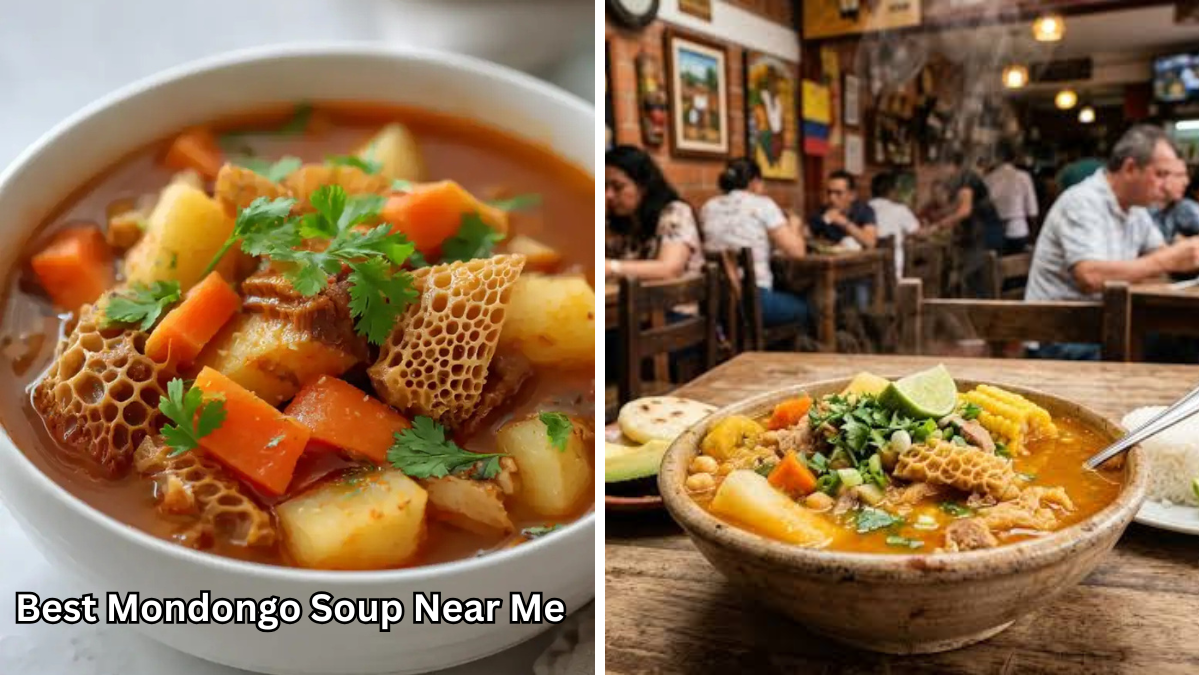
The texture is equally distinctive. Properly prepared tripe becomes tender and flavorful, absorbing seasonings while contributing its unique character to the dish. Combined with vegetables such as potatoes, carrots, corn, yuca, and bell peppers, the result is a balanced and satisfying meal.
Another element that makes mondongo special is its versatility. Different cooks adapt recipes according to local traditions, family preferences, and available ingredients. This flexibility ensures that no two bowls are exactly alike.
Food lovers frequently describe mondongo as more than just soup. It serves as comfort food, cultural expression, and a celebration of traditional cooking methods. Its ability to connect people through shared experiences has helped maintain its popularity across generations.
Traditional Ingredients Found in Authentic Mondongo
Authentic mondongo soup typically includes a carefully selected combination of ingredients that work together to create its signature taste and texture.
The foundation begins with thoroughly cleaned tripe. This ingredient requires special preparation to ensure tenderness and flavor. Various vegetables then contribute both nutrition and depth to the dish.
Common ingredients include:
| Ingredient | Purpose |
|---|---|
| Tripe | Main protein and signature ingredient |
| Potatoes | Adds heartiness and texture |
| Carrots | Provides sweetness and color |
| Yuca | Contributes richness and substance |
| Corn | Enhances flavor and visual appeal |
| Bell Peppers | Adds freshness and aroma |
| Onions | Builds savory depth |
| Garlic | Intensifies overall flavor |
| Cilantro | Adds herbal freshness |
| Tomatoes | Creates richness in the broth |
Many regional versions incorporate additional ingredients such as pork, beef, sausage, chickpeas, or local spices. These additions contribute unique characteristics that distinguish one variation from another.
A chef once remarked, “A great mondongo is not rushed. Every ingredient earns its place through time and patience.” This philosophy remains central to authentic preparation.
Regional Variations Across Latin America and the Caribbean
Mondongo’s popularity across numerous countries has led to fascinating regional differences. Each variation reflects local culture, available ingredients, and culinary traditions.
In Colombia, mondongo often includes pork, vegetables, and a richly seasoned broth. Colombian versions tend to be especially hearty and are frequently served as a complete meal.
Puerto Rican mondongo commonly incorporates sofrito, tomato sauce, and root vegetables. The result is a deeply flavorful soup with distinctive Caribbean character.
Panamanian recipes often feature a lighter broth while emphasizing fresh herbs and vegetables. The flavors remain bold while maintaining balance and freshness.
Dominican interpretations may include additional seasonings and local ingredients that reflect the nation’s unique culinary heritage.
Honduran and Nicaraguan versions frequently incorporate regional vegetables and spice blends that create distinctive flavor profiles.
Exploring these differences can make the search for the best mondongo soup near me an exciting culinary adventure. Every restaurant may offer a slightly different interpretation rooted in family recipes and cultural traditions.
Flavor Profile and Taste Experience
Mondongo soup delivers a flavor experience unlike many other traditional soups. The broth develops incredible complexity through hours of slow simmering, allowing ingredients to release their flavors gradually.
The first impression is often savory richness, followed by subtle sweetness from vegetables and aromatic notes from herbs and spices. The tripe absorbs surrounding flavors while contributing its own distinctive character.
Texture plays a crucial role as well. Tender pieces of tripe contrast beautifully with soft vegetables, creating a satisfying mouthfeel that keeps diners returning for more.
Fresh cilantro, lime juice, and additional seasonings often provide finishing touches that brighten the dish and enhance its complexity.
Many first-time diners approach mondongo with curiosity and leave with appreciation for its remarkable depth and balance.
Why Mondongo Soup Remains Popular Today
Traditional comfort foods have experienced renewed popularity in recent years, and mondongo soup has benefited from this trend. Consumers increasingly seek authentic dining experiences that offer both flavor and cultural significance.
Mondongo satisfies these desires by delivering a meal that feels genuine and deeply rooted in tradition. Unlike highly processed foods, it showcases real ingredients and time-honored cooking techniques.
The dish also appeals to those interested in exploring international cuisines. As people become more adventurous with food choices, they discover the rich culinary heritage represented by dishes like mondongo.
Restaurants specializing in Latin American and Caribbean cuisine frequently highlight mondongo as a signature offering because it demonstrates culinary authenticity and craftsmanship.
This continued appreciation explains why so many diners regularly search for the best mondongo soup near me when seeking an unforgettable meal.
Health Benefits of Mondongo Soup
Beyond its impressive flavor, mondongo soup can offer several nutritional benefits when prepared using traditional ingredients.
Tripe contains protein that supports muscle maintenance and overall body function. The vegetables contribute vitamins, minerals, and dietary fiber that support general wellness.
Carrots provide vitamin A, while potatoes and yuca offer carbohydrates that serve as valuable energy sources. Garlic and onions contain compounds commonly associated with various health-supporting properties.
The broth itself can be nourishing, particularly when prepared from scratch using quality ingredients and extended cooking times.
Although nutritional content varies by recipe, many versions of mondongo represent a balanced meal combining protein, vegetables, and complex carbohydrates.
Moderation and ingredient quality remain important considerations, but traditional preparations often align well with wholesome eating habits.
How Restaurants Create Exceptional Mondongo
Restaurants known for excellent mondongo often share several key characteristics. First, they prioritize ingredient quality. Fresh vegetables and properly prepared tripe establish the foundation for success.
Second, experienced cooks understand the importance of time. Rushing the cooking process can result in tough tripe and underdeveloped flavors. The finest versions often simmer for several hours.
Third, seasoning requires careful attention. Herbs, spices, and aromatics must complement rather than overpower the dish.
Many family-owned establishments rely on recipes passed down through generations. These treasured formulas reflect years of refinement and practical experience.
An experienced restaurateur once said, “The secret ingredient in great mondongo is patience. Everything else follows.”
This commitment to tradition often distinguishes exceptional restaurants from ordinary ones.
Signs of High-Quality Mondongo Soup
Recognizing quality mondongo can enhance the dining experience significantly. Several indicators suggest a well-prepared bowl.
The broth should appear rich and inviting without excessive grease. Vegetables should maintain structure while remaining tender.
Tripe should be soft and easy to chew rather than rubbery or tough. Proper cleaning eliminates unpleasant odors while preserving desirable flavor.
The aroma should be savory, fresh, and appetizing. Strong herbal notes, balanced spices, and slow-cooked richness often indicate careful preparation.
Flavor should feel layered rather than one-dimensional. Individual ingredients contribute distinct characteristics while blending harmoniously into a cohesive whole.
These qualities often help diners identify establishments serving the best mondongo soup near me in their local area.
Pairing Mondongo with Traditional Side Dishes
Mondongo is often served alongside complementary side dishes that enhance the overall meal experience.
Rice remains one of the most popular accompaniments. Its mild flavor balances the soup’s richness while adding substance to the meal.
Fresh avocado contributes creamy texture and refreshing contrast. Lime wedges provide acidity that brightens the broth and highlights herbal flavors.
Corn tortillas, crusty bread, or traditional Latin American breads can help soak up the flavorful broth.
Some regions also serve pickled vegetables or spicy condiments that add complexity and contrast.
These accompaniments transform an already satisfying soup into a complete dining experience that celebrates regional culinary traditions.
The Cultural Importance of Mondongo
Mondongo occupies a special place within many communities because it represents more than nourishment alone. Family gatherings, celebrations, and special occasions frequently feature this beloved dish.
Preparing mondongo often becomes a communal activity involving multiple family members. Recipes and techniques are shared across generations, preserving cultural knowledge and strengthening family connections.
Restaurants serving traditional mondongo frequently become community gathering places where customers reconnect with cultural roots and familiar flavors.
Food historians often highlight dishes like mondongo as examples of culinary resilience and creativity. Communities transformed simple ingredients into enduring traditions that continue to thrive today.
This cultural significance contributes greatly to the enduring popularity of mondongo soup across numerous countries and regions.
Finding Authentic Mondongo Experiences
Authenticity often stems from dedication to traditional methods rather than elaborate presentation. Family-owned restaurants frequently excel because recipes have been refined through decades of practice.
Many diners seek establishments known within local communities rather than relying solely on advertising or trends. Positive word-of-mouth recommendations often lead to memorable experiences.
Menus that feature a variety of traditional dishes may indicate a strong commitment to authentic cuisine. Staff members who understand the history and preparation of mondongo can further enhance the dining experience.
Exploring different restaurants can reveal fascinating regional interpretations and family traditions. Each bowl tells a slightly different story while honoring the same culinary heritage.
The journey toward discovering the best mondongo soup near me often becomes as enjoyable as the meal itself.
Cooking Mondongo at Home
Home preparation allows cooks to customize flavors while preserving traditional techniques. Although the process requires time and patience, many enthusiasts find the results deeply rewarding.
Proper cleaning and preparation of tripe represent essential first steps. Thorough washing and careful trimming contribute significantly to the final product.
The broth benefits from slow simmering that allows flavors to develop naturally. Fresh vegetables should be added strategically to maintain ideal texture and appearance.
Herbs and seasonings can be adjusted according to personal preference while respecting traditional flavor profiles.
Many home cooks discover that preparing mondongo becomes a meaningful culinary ritual rather than simply another recipe.
The process encourages appreciation for traditional cooking methods and cultural heritage.
Modern Appreciation for Traditional Soups
The growing interest in traditional foods has created new appreciation for dishes like mondongo. Consumers increasingly value authenticity, craftsmanship, and cultural storytelling within their dining experiences.
Social media, food tourism, and culinary education have introduced many people to regional specialties they might never have encountered previously.
Chefs and restaurateurs continue celebrating traditional recipes while occasionally incorporating subtle contemporary influences. These efforts help preserve culinary heritage while appealing to new audiences.
Mondongo’s enduring popularity demonstrates that thoughtfully prepared traditional foods remain highly relevant in modern dining culture.
Its combination of history, flavor, nutrition, and cultural significance ensures continued appreciation for generations to come.
Conclusion
Mondongo soup stands as one of the most remarkable traditional dishes in Latin American and Caribbean cuisine. Its rich history, satisfying texture, nourishing ingredients, and deep cultural significance have helped it remain beloved across generations.
From family kitchens to respected restaurants, mondongo continues to bring people together through authentic flavors and cherished traditions. Every region contributes unique interpretations while preserving the essential qualities that define this extraordinary soup.
For anyone seeking the best mondongo soup near me, understanding the dish’s heritage and preparation methods can transform a simple meal into a meaningful culinary experience. Whether enjoyed at a local restaurant or prepared at home, mondongo offers warmth, comfort, and a genuine connection to centuries of culinary tradition.
Frequently Asked Questions
What is mondongo soup made from?
Mondongo soup is traditionally made from tripe, vegetables, herbs, and seasonings cooked slowly in a flavorful broth. Common ingredients include potatoes, carrots, yuca, corn, onions, garlic, and cilantro.
Why is mondongo soup so popular?
The popularity of mondongo comes from its rich flavor, cultural importance, comforting nature, and long-standing presence in Latin American and Caribbean culinary traditions. Many people searching for the best mondongo soup near me appreciate both its taste and heritage.
Is mondongo soup healthy?
Mondongo soup can be a nutritious meal because it contains protein, vegetables, vitamins, minerals, and fiber. Nutritional content varies depending on ingredients and preparation methods.
What does mondongo soup taste like?
Mondongo has a savory, hearty flavor with complex layers developed through slow cooking. The broth is rich and aromatic, while vegetables and herbs add freshness and balance.
Which countries are known for mondongo soup?
Mondongo is especially popular in Colombia, Puerto Rico, Panama, the Dominican Republic, Honduras, Nicaragua, and several other Latin American and Caribbean nations. Each country offers its own distinctive version.
How can I identify authentic mondongo soup?
Authentic mondongo typically features tender tripe, a rich broth, fresh vegetables, balanced seasonings, and traditional preparation methods. Restaurants known for family recipes and cultural authenticity often serve exceptional versions.
What side dishes pair best with mondongo soup?
Rice, avocado, lime wedges, bread, tortillas, and pickled vegetables commonly accompany mondongo soup. These sides complement the rich flavors and create a more complete meal experience.
Read also : Best Piononos de Santa Fe Near Me: The Complete Guide to Spain’s Most Beloved Pastry