Searching for the best fricase boliviano near me often begins with a craving for something rich, comforting, and deeply rooted in Bolivian culinary tradition. Fricase Boliviano is much more than a simple stew. It represents generations of family recipes, regional influences, and cultural celebrations that have shaped Bolivia’s food identity for centuries.
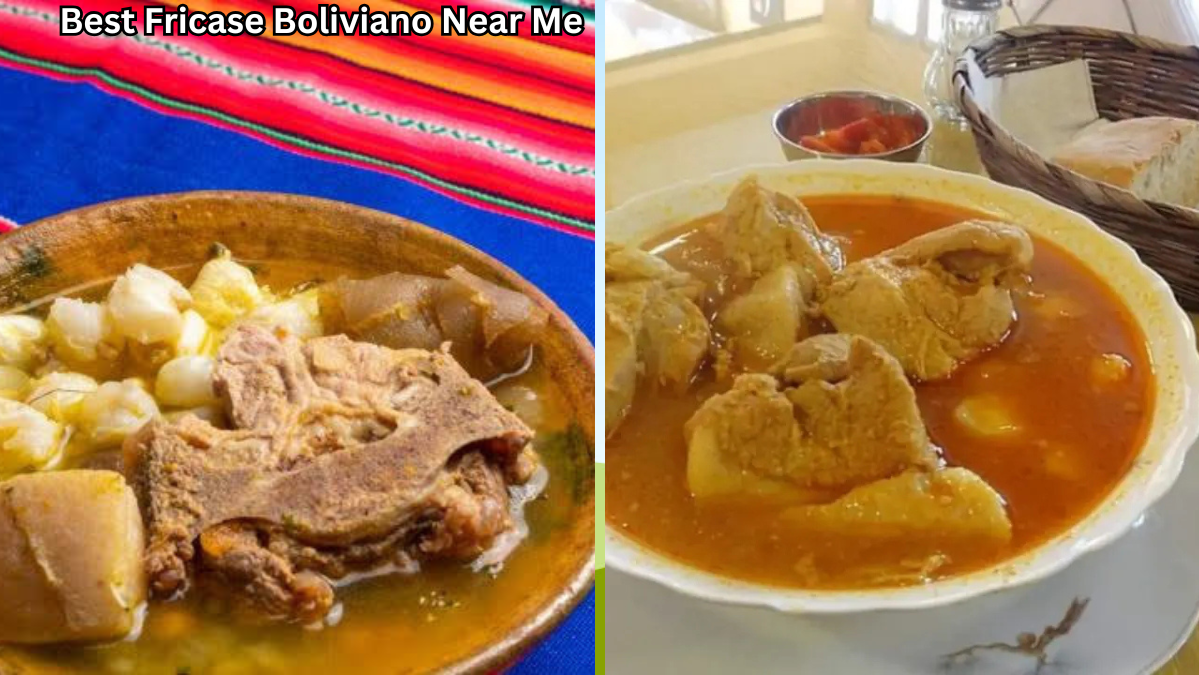
Known for its tender pork, flavorful broth, hominy corn, and distinctive blend of spices, this traditional dish occupies a special place in Bolivian households and restaurants alike. Whether enjoyed after a festive celebration, during a family gathering, or as a hearty weekend meal, fricase delivers warmth and satisfaction in every spoonful.
As Bolivian cuisine gains international recognition, more people are searching for authentic restaurants and hidden gems serving this iconic dish. Understanding what makes an excellent fricase can help diners identify authentic flavors and appreciate the craftsmanship behind every bowl.
This comprehensive guide explores the history, ingredients, preparation methods, cultural significance, dining experiences, and practical tips for finding outstanding fricase wherever you happen to be.
Understanding the Origins of Fricase Boliviano
Fricase Boliviano has a fascinating history that reflects Bolivia’s diverse cultural heritage. While many countries have dishes called fricassee or fricase, the Bolivian version stands apart due to its unique ingredients and preparation style.
The dish evolved through a combination of indigenous culinary traditions and European influences introduced during the colonial era. Over time, local cooks adapted techniques and ingredients to create a meal that reflected regional tastes and available resources. The result was a rich pork stew infused with local peppers, corn, and spices.
Today, fricase is widely recognized as one of Bolivia’s most cherished national dishes. Families often pass recipes from one generation to the next, preserving techniques that contribute to the dish’s authentic character. Every region adds subtle variations while maintaining the core elements that define traditional fricase.
Food historians often describe fricase as an example of culinary adaptation. The recipe demonstrates how cultures blend ingredients and techniques to create something entirely new while honoring the traditions that came before.
What Makes Fricase Boliviano Unique
Many stews around the world feature pork and broth, but several characteristics make Fricase Boliviano instantly recognizable.
The first distinguishing feature is the broth itself. It is typically seasoned with yellow chili peppers, garlic, cumin, and other spices that create a bold yet balanced flavor profile. The broth should be rich without becoming overly heavy.
Another defining characteristic is the inclusion of white corn or hominy. These large kernels provide texture and substance, transforming the dish from a simple soup into a filling meal. Their mild flavor complements the stronger notes of the pork and spices.
The pork used in fricase is often cooked until exceptionally tender. The meat absorbs the seasonings while releasing natural flavors into the broth. This slow-cooking process creates depth and complexity that cannot be rushed.
As one Bolivian chef famously remarked, “A good fricase should warm the body before the first bite and comfort the soul before the bowl is empty.”
Essential Ingredients Found in Authentic Fricase
Authenticity matters when evaluating the quality of any traditional dish. Understanding the key ingredients helps diners recognize genuine preparations.
| Ingredient | Purpose in the Dish | Flavor Contribution |
|---|---|---|
| Pork | Main protein | Rich, savory depth |
| Hominy Corn | Traditional starch | Mild sweetness and texture |
| Yellow Chili Pepper | Signature seasoning | Warm heat and color |
| Garlic | Aromatic base | Robust flavor |
| Cumin | Traditional spice | Earthy complexity |
| Onion | Flavor foundation | Sweetness and aroma |
| Broth | Cooking liquid | Rich body and balance |
| Herbs | Finishing touch | Freshness and aroma |
These ingredients work together harmoniously. Removing or substituting key components can significantly alter the traditional character of the dish.
Experienced cooks understand that ingredient quality is just as important as the recipe itself. Fresh spices, high-quality pork, and properly prepared hominy contribute significantly to the final result.
Why People Search for the Best Fricase Boliviano Near Me
The popularity of searches for the best fricase boliviano near me reflects growing interest in authentic international cuisine. Food enthusiasts increasingly seek traditional dishes that offer genuine cultural experiences.
For members of the Bolivian diaspora, finding excellent fricase often means reconnecting with childhood memories and family traditions. The aroma alone can evoke powerful feelings of nostalgia and belonging.
Travelers and adventurous diners are also contributing to the growing demand. As global food culture expands, more people are eager to explore dishes beyond mainstream restaurant offerings.
Social media has amplified this trend. Photos of steaming bowls of fricase frequently appear in food communities, encouraging curious diners to seek out restaurants serving authentic versions of the dish.
The search is rarely just about food. It is often about discovering culture, history, and community through a shared dining experience.
Regional Variations Across Bolivia
Although the fundamental structure of fricase remains consistent, regional interpretations add fascinating diversity.
In some areas, cooks prefer a thicker broth with a more concentrated flavor. Other regions favor a lighter consistency that highlights the natural richness of the pork.
Spice levels can also vary considerably. Certain communities incorporate more chili peppers, creating a bolder and spicier profile. Others emphasize aromatic spices and herbs over heat.
Preparation methods may differ as well. Some recipes involve longer cooking times to achieve exceptionally tender meat, while others focus on preserving texture and structure.
These variations contribute to the dish’s enduring appeal. Exploring different regional styles allows diners to appreciate the breadth and richness of Bolivian culinary traditions.
Characteristics of an Outstanding Bowl of Fricase
When evaluating restaurants serving fricase, several quality indicators stand out.
The broth should be flavorful and aromatic without tasting overly salty or greasy. Balance is essential. Every ingredient should contribute without overwhelming the others.
The pork should be tender enough to separate easily while retaining its structure. Dry or tough meat suggests improper cooking techniques.
Hominy should be fully cooked and integrated into the dish rather than appearing as an afterthought. Its texture should complement the meat and broth.
Presentation also matters. A carefully prepared bowl demonstrates pride and attention to detail. Traditional garnishes and proper serving temperatures enhance the overall dining experience.
Great fricase achieves harmony among all components. No single ingredient dominates; instead, they combine to create a unified and memorable dish.
The Cultural Significance of Fricase in Bolivian Life
Food often serves as a reflection of cultural identity, and fricase exemplifies this connection.
The dish frequently appears during celebrations, family reunions, and important community events. Sharing a bowl of fricase represents hospitality, generosity, and togetherness.
Many Bolivians associate the dish with special occasions and cherished memories. Grandparents teaching recipes to younger generations help preserve traditions and strengthen family bonds.
Restaurants serving authentic fricase often become gathering places for local communities. Conversations, stories, and cultural exchanges naturally accompany the meal.
One traditional saying captures the sentiment perfectly: “A table with fricase is never empty of laughter.”
The dish’s cultural importance extends far beyond its ingredients, making it an enduring symbol of Bolivian heritage.
How Restaurants Create Authentic Flavor
Creating exceptional fricase requires patience and expertise. Restaurants known for authenticity often follow traditional preparation methods that prioritize flavor development over speed.
The cooking process typically begins with carefully selected pork cuts. These cuts are simmered slowly to extract maximum flavor while achieving tenderness.
Spices are added gradually to build complexity. Skilled cooks understand how timing influences the final flavor profile. Adding ingredients too early or too late can alter the dish significantly.
Many respected establishments prepare their broths from scratch rather than relying on shortcuts. This dedication contributes to richer and more authentic results.
Consistency is another hallmark of quality restaurants. Diners expect the same excellent experience with every visit, and experienced kitchens work diligently to maintain high standards.
Traditional Serving Methods
Serving traditions enhance the overall enjoyment of fricase.
The dish is commonly presented in deep bowls that retain heat and accommodate generous portions. The broth, pork, and hominy are arranged to showcase each component.
Fresh bread frequently accompanies the meal. Diners use it to soak up the flavorful broth, ensuring none of the delicious liquid goes to waste.
Some regions add garnishes that provide color, aroma, and texture. These finishing touches contribute to visual appeal while complementing the dish’s flavors.
The experience encourages slow, relaxed dining. Fricase is not typically rushed. Instead, it invites diners to savor each bite and appreciate the craftsmanship involved in its preparation.
Pairing Fricase With Complementary Foods
Although fricase is substantial enough to serve as a complete meal, thoughtful pairings can enhance the dining experience.
Fresh salads offer contrast to the richness of the stew. Crisp vegetables provide balance and refresh the palate between bites.
Traditional breads remain among the most popular accompaniments. Their mild flavor and soft texture complement the savory broth beautifully.
Certain beverages pair particularly well with fricase. Light refreshments help balance the dish’s hearty character while allowing its flavors to remain the focal point.
Desserts served after fricase often emphasize simplicity. Fresh fruit, light pastries, or traditional sweets provide a pleasant conclusion to the meal without overwhelming the palate.
Signs of Authenticity When Dining Out
Finding authentic fricase requires attention to detail.
Restaurants with strong ties to Bolivian culinary traditions often demonstrate authenticity through ingredient selection, preparation methods, and menu design.
Staff members knowledgeable about the dish can frequently explain its origins and preparation techniques. Their enthusiasm often reflects genuine cultural connections.
Traditional recipes generally emphasize balance rather than excessive seasoning. Authentic fricase allows natural flavors to shine while maintaining harmony among ingredients.
A diverse customer base that includes Bolivian diners can also indicate authenticity. Community support often reflects trust in the restaurant’s commitment to traditional standards.
These indicators help diners identify establishments likely to provide memorable and culturally accurate experiences.
The Growing Global Popularity of Bolivian Cuisine
Interest in Bolivian food has expanded significantly in recent years.
Food travelers increasingly seek destinations offering unique culinary experiences. Bolivia’s rich traditions and distinctive flavors have attracted growing international attention.
Chefs around the world are exploring South American ingredients and techniques, introducing new audiences to dishes such as fricase, salteñas, and pique macho.
The internet has played a major role in this growth. Articles, videos, and social media content expose global audiences to regional specialties that were once relatively unknown outside their countries of origin.
As awareness continues to expand, searches for the best fricase boliviano near me are likely to become even more common among curious diners and passionate food lovers.
Home Cooking Versus Restaurant Preparation
Both home-cooked and restaurant-prepared fricase offer unique advantages.
Family recipes often carry emotional significance and generations of accumulated knowledge. Home cooks may adapt ingredients and techniques based on local traditions and personal preferences.
Restaurants bring professional expertise, specialized equipment, and consistency. Experienced chefs can dedicate substantial time to refining recipes and perfecting techniques.
Home versions frequently emphasize comfort and familiarity. Restaurant versions may focus on presentation and precision while maintaining traditional flavors.
Neither approach is inherently superior. Each provides valuable insights into the dish’s versatility and enduring appeal.
Many food enthusiasts enjoy comparing different interpretations to better understand the nuances of authentic fricase.
Why Fricase Remains Relevant Today
Despite changing food trends, fricase continues to resonate with modern diners.
Comfort food remains universally appealing, especially during cooler weather or stressful periods. The warmth and richness of fricase satisfy both physical hunger and emotional needs.
Consumers increasingly value authenticity and cultural storytelling. Traditional dishes provide meaningful connections to history and heritage.
The growing interest in global cuisine has created opportunities for lesser-known culinary traditions to reach broader audiences. Fricase benefits from this trend because it offers both familiarity and novelty.
Its adaptability also contributes to longevity. While rooted in tradition, the dish can accommodate subtle variations that appeal to contemporary tastes without sacrificing authenticity.
Health and Nutritional Considerations
Fricase is generally regarded as a hearty and nourishing meal.
Pork provides protein, essential vitamins, and important minerals. The broth contributes hydration and flavor while supporting the overall structure of the dish.
Hominy adds carbohydrates and dietary fiber, helping create a balanced meal that promotes satiety. Herbs and spices contribute flavor without relying solely on salt or fat.
Portion control remains important, as traditional recipes can be rich and substantial. Enjoyed as part of a balanced diet, fricase can fit comfortably into a healthy eating pattern.
Many cooks also adapt recipes to align with individual dietary goals while preserving the dish’s essential character.
The Dining Experience Beyond the Food
The search for the best fricase boliviano near me often leads to memorable experiences extending beyond the meal itself.
Authentic restaurants frequently showcase cultural décor, music, and hospitality that enrich the atmosphere. These elements create a sense of place and enhance appreciation for the cuisine.
Conversations with restaurant owners and staff often reveal fascinating stories about family traditions, immigration journeys, and culinary heritage.
Shared meals foster community and connection. Diners frequently leave with a deeper understanding of Bolivian culture as well as a satisfied appetite.
These experiences transform a simple restaurant visit into a meaningful cultural exploration.
Building Appreciation for Traditional Bolivian Food
Understanding fricase opens the door to broader appreciation of Bolivian cuisine.
The country’s culinary landscape includes diverse influences from indigenous traditions, colonial history, and regional geography. Each dish reflects unique combinations of ingredients, techniques, and cultural values.
Exploring traditional foods encourages respect for culinary craftsmanship and cultural preservation. Every recipe carries stories that connect past and present generations.
Food enthusiasts who begin with fricase often discover many other Bolivian specialties worth exploring. This journey deepens understanding while expanding culinary horizons.
Authentic cuisine serves as both nourishment and education, offering insights that extend far beyond the dining table.
Conclusion
Finding the best fricase boliviano near me is about much more than locating a meal. It is an opportunity to experience one of Bolivia’s most cherished culinary traditions, explore rich cultural heritage, and enjoy a dish that has brought families and communities together for generations.
From its tender pork and flavorful broth to its comforting hominy and carefully balanced spices, fricase embodies the essence of traditional Bolivian cooking. Its enduring popularity reflects the power of authentic food to create memories, preserve culture, and bring people together.
Whether enjoyed in a family kitchen, a neighborhood restaurant, or a celebrated Bolivian eatery, fricase continues to captivate diners with its warmth, depth, and unmistakable character. For anyone seeking a truly memorable culinary experience, this beloved dish remains one of the finest examples of South American comfort food.
Frequently Asked Questions
What is Fricase Boliviano?
Fricase Boliviano is a traditional Bolivian pork stew made with tender pork, hominy corn, spices, garlic, onions, and chili peppers. It is known for its rich broth and comforting flavor profile that has become a staple of Bolivian cuisine.
Why do people search for the best fricase boliviano near me?
People search for the best fricase boliviano near me because they want authentic flavors, traditional preparation methods, and a genuine cultural dining experience. Many diners also seek restaurants that preserve family recipes and regional cooking traditions.
What ingredients are commonly used in authentic fricase?
Authentic fricase typically includes pork, hominy corn, garlic, onions, cumin, yellow chili peppers, broth, and various herbs. These ingredients work together to create the dish’s distinctive flavor and texture.
Is Fricase Boliviano spicy?
Most versions have a mild to moderate level of heat. The chili peppers contribute warmth and depth rather than overwhelming spiciness. Spice levels may vary depending on regional traditions and individual recipes.
What makes a restaurant’s fricase authentic?
Authenticity usually comes from traditional cooking methods, high-quality ingredients, properly prepared pork, flavorful broth, and respect for Bolivian culinary traditions. Restaurants with strong cultural connections often deliver the most genuine experiences.
Can Fricase Boliviano be eaten year-round?
Yes. Although many people especially enjoy it during cooler weather because of its comforting nature, fricase remains popular throughout the year and is frequently served during celebrations, gatherings, and family meals.
What foods pair well with Fricase Boliviano?
Fresh bread, light salads, traditional side dishes, and refreshing beverages pair exceptionally well with fricase. These accompaniments help balance the richness of the stew while enhancing the overall dining experience.
Read also: Best Queso Helado Near Me: The Ultimate Guide to Finding and Enjoying Peru’s Favorite Frozen Dessert