
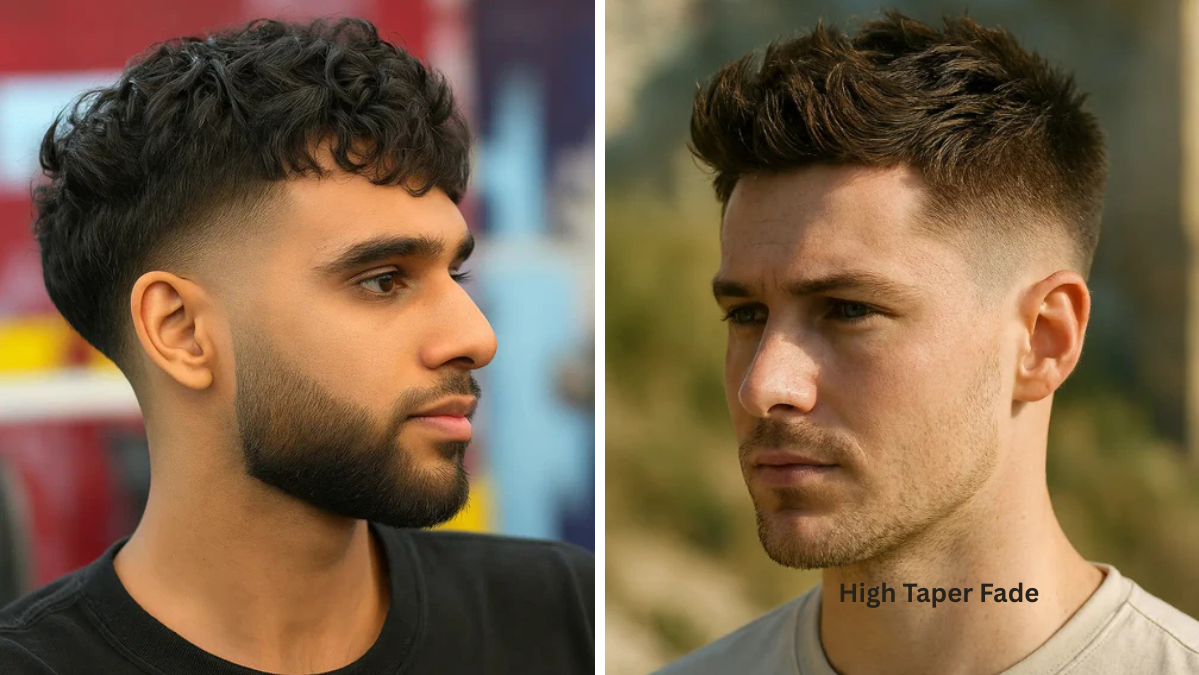
The modern grooming world has evolved dramatically over the last decade, and few hairstyles have remained as consistently popular as the high taper fade. Clean, stylish, adaptable, and professional, this haircut continues to dominate barber shops across the world because it suits almost every face shape, hair texture, and personal style. Whether someone prefers a polished business appearance or a bold street-inspired look, this haircut creates the perfect foundation.
One reason this style remains timeless is its ability to blend sophistication with edge. The gradual fade around the sides and back creates a neat appearance while still allowing enough volume and personality on top. Unlike trend-driven cuts that disappear after a season, this hairstyle continues to evolve with modern fashion while maintaining its classic structure.
Barbers appreciate the precision involved in creating the look, while clients enjoy how manageable and versatile it becomes in daily life. It works equally well with curly hair, straight hair, textured waves, and thick coarse hair. It also transitions smoothly between formal and casual settings, making it one of the safest yet most fashionable haircut choices available today.
Another major reason for its popularity is how customizable it can be. Some men pair the fade with textured crops, while others prefer pompadours, slick backs, curls, twists, or even longer layered tops. The haircut adapts to the individual rather than forcing everyone into the same appearance. That flexibility has helped it become one of the most requested hairstyles in modern barber culture.
Fashion stylist Vernon Scott once said, “A sharp haircut changes the way a person walks into a room.” That quote perfectly captures the impact of a well-executed taper fade. It creates confidence, enhances facial structure, and gives the entire appearance a more refined finish.
Understanding the Structure of the Cut
At its core, the hairstyle features hair that gradually shortens from the upper sides toward the neckline. Unlike skin fades that often expose large portions of the scalp, taper fades maintain a smoother and more natural transition. The higher placement of the fade creates a sharper contrast that draws attention to the top section of the hair.
The positioning is what separates it from low or mid variations. The fade begins much higher around the temples and upper sides, giving the haircut a cleaner and more dramatic appearance. This elevated transition emphasizes facial contours and creates a sharper profile from every angle.
Barbers often use different clipper guards and blending techniques to achieve the perfect transition. Precision is essential because uneven fading becomes highly noticeable in this style. A skilled barber understands how to balance sharpness with softness so the haircut feels polished instead of overly harsh.
The hairstyle also works exceptionally well with modern beard grooming. Because the fade naturally narrows toward the jawline, it blends beautifully into short beards, stubble, or fuller facial hair. This seamless transition between haircut and beard has become one of the defining features of contemporary men’s styling.
Why the Style Continues to Dominate Modern Trends
Fashion trends constantly change, but some hairstyles manage to survive every shift. The reason this particular cut continues to dominate is because it blends practicality with visual appeal. It looks intentional without appearing overly complicated.
Social media has also contributed heavily to its popularity. Athletes, musicians, actors, and influencers frequently showcase variations of the haircut, inspiring millions of people to try it themselves. The cut photographs extremely well because its clean lines create strong visual definition.
Another important factor is workplace acceptance. Many trendy hairstyles struggle to fit into professional environments, but taper fades maintain a neat and respectable appearance. This allows people to express style without appearing unprofessional in corporate or formal settings.
Barbering culture itself has elevated the hairstyle even further. Modern barbers view fades as an art form, focusing on precision, symmetry, and texture. Clients increasingly seek detailed grooming experiences rather than simple haircuts, and this style perfectly reflects that evolution.
Hair educator Marcus Reed once explained, “The best haircut balances individuality with structure.” That philosophy explains why so many men continue returning to this haircut year after year.
Best Hair Types for This Modern Look
One of the biggest strengths of the high taper fade is its compatibility with multiple hair textures. Straight hair produces a sleek and polished finish that highlights the precision of the fade. Wavy hair adds movement and dimension, creating a more relaxed yet stylish appearance.
Curly hair works especially well because the sharp sides create contrast against the natural volume on top. This balance prevents curls from appearing overly bulky while still allowing texture to remain the focal point. Tight curls paired with clean faded sides create one of the most striking modern looks in barber culture.
Thick hair benefits from the haircut because it removes excessive weight around the sides. This creates better shape and improves overall manageability. Men with coarse or dense hair often find the haircut easier to maintain compared to longer styles that require constant styling.
Even thinner hair can benefit when the cut is executed correctly. Skilled barbers use fading techniques to create the illusion of fuller density on top. By keeping volume concentrated in strategic areas, the haircut can make fine hair appear thicker and healthier.
The versatility across textures explains why the hairstyle remains one of the safest choices for people experimenting with modern barber styles for the first time.
Face Shapes That Pair Well With the Haircut
Face shape plays a major role in determining how flattering a haircut will appear. Fortunately, the high taper fade complements a wide range of facial structures because its clean proportions help create balance.
Oval faces naturally suit almost every hairstyle, and this cut is no exception. The balanced facial symmetry allows the fade to enhance existing proportions without requiring major adjustments. People with oval faces can experiment freely with volume and texture on top.
Round faces benefit because the elevated fade elongates the appearance of the head. Extra height on top combined with tighter sides creates a slimmer and more structured look. This helps add definition around the cheeks and jawline.
Square faces already possess strong angular features, making them ideal for sharp fades. The clean transitions emphasize masculine structure while maintaining a modern appearance. Textured tops or slick styles both work exceptionally well for this face shape.
Diamond and heart-shaped faces also pair nicely with the haircut when the barber carefully adjusts the top length. Maintaining balanced proportions ensures the haircut enhances facial features rather than exaggerating them.
Popular Styling Variations
The haircut serves as a foundation for countless modern hairstyles. Some prefer textured crops with messy volume, while others choose slicked-back finishes for a refined appearance. This adaptability keeps the haircut relevant across different fashion movements.
Pompadours remain one of the most iconic combinations. The contrast between voluminous height on top and faded sides creates a bold yet sophisticated look. This style works particularly well for formal events and upscale fashion aesthetics.
Curly tops have also surged in popularity. Natural curls combined with sharp faded sides create an energetic and youthful appearance. This combination highlights texture while keeping the overall haircut controlled and clean.
The quiff variation offers another timeless option. By brushing the front upward and slightly backward, the hairstyle gains movement and dimension without appearing overly dramatic. It strikes a balance between casual and polished styling.
Buzz cuts paired with tapered sides have become increasingly common as well. Minimal top length combined with sharp fading creates a low-maintenance but highly masculine aesthetic. This version is especially popular among athletes and individuals with active lifestyles.
Styling Products That Improve the Finish
Hair products dramatically influence how the final style appears throughout the day. Lightweight matte clay remains one of the most popular choices because it creates texture without excessive shine. This product works especially well for modern messy styles.
Pomades deliver a sleeker and shinier appearance. They are commonly used for slick backs, side parts, and polished pompadours. Water-based pomades offer easier washing and flexibility, while oil-based formulas provide stronger hold and lasting shine.
Sea salt spray has become a favorite for textured hairstyles. It enhances natural movement and creates a relaxed appearance without making the hair feel stiff. Many barbers recommend combining sea salt spray with matte paste for extra volume.
Curl creams help maintain definition for naturally curly hair. They reduce frizz while enhancing texture and softness. This is especially important when pairing curls with sharp faded sides because healthy curls create stronger contrast.
Hair mousse can also improve fullness for thinner hair types. Applying mousse before blow-drying adds body and lift, helping the style maintain structure throughout the day.
Maintenance and Barber Visit Frequency
A clean fade requires regular upkeep to remain sharp. Most people schedule barber visits every two to three weeks depending on how quickly their hair grows. Because the fade sits high on the head, regrowth becomes noticeable relatively quickly.
Maintaining the neckline and temple area helps extend the fresh appearance between appointments. Some individuals learn basic touch-up techniques at home using trimmers, though professional blending is usually best left to experienced barbers.
Daily styling routines also contribute heavily to maintaining the haircut’s appearance. Using quality shampoo and conditioner keeps hair healthy and manageable. Overwashing should be avoided because it strips natural oils and can make styling more difficult.
Heat protection products become important for individuals who regularly use blow dryers or heated styling tools. Protecting the hair from damage ensures the style continues looking healthy and polished over time.
A well-maintained haircut reflects overall grooming discipline. Consistency is what separates an average appearance from a truly refined personal style.
The Role of Barber Skill in Achieving the Perfect Look
Not all fades are created equally. The difference between an average haircut and an exceptional one often comes down to the barber’s blending technique, attention to detail, and understanding of head shape.
Professional barbers analyze hair growth patterns before beginning the fade. Cowlicks, hair density, and natural direction all influence how the haircut should be executed. Ignoring these factors can lead to uneven transitions and awkward styling issues.
Blending requires patience and technical precision. Smooth gradients create the illusion of seamless transition, while poor blending results in visible lines and patchiness. Experienced barbers use multiple guard lengths and clipper techniques to achieve a flawless finish.
Communication also matters significantly. Clients who describe their lifestyle, styling habits, and maintenance preferences help barbers tailor the haircut more effectively. Collaboration leads to better long-term satisfaction.
Master barber Antonio Vega once noted, “Precision is invisible when done correctly.” That statement perfectly reflects the artistry behind a quality fade haircut.
Comparison Between Low, Mid, and High Variations
Choosing the correct fade level significantly changes the overall appearance. Each variation offers a different balance between subtlety and contrast.
| Fade Type | Starting Point | Overall Appearance | Best For |
|---|---|---|---|
| Low Fade | Near ears and neckline | Soft and conservative | Professional environments |
| Mid Fade | Around temple area | Balanced and versatile | Most face shapes |
| High Fade | Upper sides and temples | Sharp and dramatic | Bold modern styles |
The higher placement creates stronger contrast and places more visual emphasis on the hairstyle itself. This makes it ideal for people who want a more fashion-forward appearance.
Lower fades appear subtler and blend more gradually into the hairstyle. They are often chosen by individuals seeking understated grooming. Mid fades offer a middle ground that balances boldness and versatility.
The decision ultimately depends on personal preference, workplace standards, and desired styling impact.
Influence on Modern Fashion Culture
Haircuts have always reflected broader cultural trends, and taper fades have become deeply embedded within contemporary fashion. Streetwear culture, luxury fashion campaigns, and athletic branding frequently feature variations of this haircut because it symbolizes confidence and modern masculinity.
Music culture has played a major role as well. Many hip-hop artists, footballers, and actors have embraced clean fades as part of their personal image. This visibility has transformed the haircut from a simple grooming choice into a cultural statement.
The haircut also aligns with the growing emphasis on self-care among men. Modern grooming is no longer viewed as superficial. Instead, it reflects discipline, attention to detail, and self-expression. A polished haircut often becomes one of the most noticeable aspects of someone’s appearance.
Fashion magazines regularly highlight textured fades alongside evolving menswear trends because the haircut complements contemporary silhouettes, accessories, and beard styles so effectively.
Beard Pairings That Enhance the Overall Style
Facial hair can significantly change how the haircut appears. Clean-shaven looks emphasize the sharpness of the fade itself, creating a sleek and polished finish.
Short stubble offers a rugged yet refined appearance. The gradual transition between haircut and beard creates balance while maintaining masculinity. This combination remains one of the most universally flattering grooming styles.
Medium beards paired with faded sides create strong visual contrast. The haircut keeps the overall look structured so fuller facial hair does not appear messy or overwhelming. Barbers often blend the beard into the fade for seamless flow.
Long beards require careful shaping to avoid imbalance. When done properly, the haircut provides structure that keeps larger beards looking intentional rather than unkempt.
The harmony between haircut and beard is one of the defining characteristics of modern men’s grooming trends.
Celebrity Influence and Mainstream Popularity
Celebrities heavily influence haircut trends, and the high taper fade has been embraced across sports, entertainment, and fashion industries. Athletes often choose the haircut because it remains clean during intense physical activity while still looking stylish off the field.
Actors appreciate its versatility because it adapts to formal red carpet events and casual appearances equally well. Musicians frequently experiment with textured tops, dyed hair, and artistic variations that keep the style evolving.
Social media platforms further amplify these trends. Barber transformation videos showcasing dramatic before-and-after fades attract millions of views, inspiring people worldwide to try similar looks.
The haircut’s mainstream popularity has also encouraged innovation. Barbers constantly introduce new texture techniques, creative line designs, and hybrid styles that keep the haircut fresh without losing its classic appeal.
Daily Grooming Habits That Support the Hairstyle
Good grooming extends beyond the haircut itself. Healthy hair and scalp care significantly influence how polished the final appearance becomes.
Regular moisturizing helps prevent dryness and irritation around faded areas. This is especially important for individuals with sensitive skin or coarse hair textures. Using non-greasy moisturizing products keeps the scalp healthy without affecting styling performance.
Brushing and combing techniques also matter. Proper brushing distributes natural oils evenly while maintaining shape. Curly hair often benefits from wide-tooth combs that preserve texture without causing frizz.
Sleeping habits can impact hairstyle longevity as well. Silk or satin pillowcases reduce friction and help maintain cleaner styling overnight. This small adjustment often improves manageability during morning routines.
Hydration and nutrition contribute to overall hair quality too. Strong, healthy hair responds better to styling products and maintains cleaner texture throughout the day.
Common Mistakes People Make
One of the biggest mistakes involves choosing a haircut that does not suit personal hair texture or lifestyle. Some individuals attempt high-maintenance styles without considering the time required for daily styling.
Poor communication with the barber also creates problems. Vague instructions often lead to results that differ from expectations. Bringing reference photos can help clarify desired length, texture, and fade placement.
Overusing styling products is another common issue. Excessive pomade or gel can make the hair appear greasy and heavy rather than clean and textured. Quality matters more than quantity.
Skipping regular trims quickly diminishes the haircut’s sharpness. Fades rely heavily on clean transitions, and overgrown sides reduce the polished effect significantly.
Using low-quality shampoos or harsh products can damage hair health over time. Investing in proper grooming products helps preserve both style and scalp condition.
Seasonal Adaptability and Year-Round Appeal
Some hairstyles feel limited to certain seasons, but taper fades remain effective year-round. During summer months, the shorter sides provide better airflow and cooler comfort. This practicality makes the haircut especially appealing in warm climates.
In colder seasons, the hairstyle pairs beautifully with layered fashion, jackets, and textured fabrics. The clean silhouette complements winter wardrobes without appearing bulky or outdated.
Humidity also affects hairstyles differently depending on texture. Curly and wavy tops paired with faded sides often maintain their shape better in humid conditions compared to longer uniform haircuts.
The ability to adapt across seasons contributes heavily to the haircut’s enduring popularity. People appreciate styles that remain functional and fashionable regardless of weather conditions or wardrobe changes.
Confidence and Personal Image
Haircuts influence self-perception more than many people realize. A clean, structured appearance often improves confidence and overall presentation. Grooming affects first impressions in social settings, workplaces, and personal relationships.
The sharpness of the high taper fade creates an intentional and disciplined image. People frequently associate clean grooming with professionalism, reliability, and attention to detail.
Confidence also comes from consistency. Knowing the haircut looks polished throughout the day allows individuals to focus less on appearance and more on interactions, performance, and communication.
Fashion psychologist Dr. Ethan Moore once stated, “Personal grooming shapes silent communication before words are spoken.” That observation highlights why so many individuals invest heavily in maintaining refined hairstyles.
Evolution of Barbering Techniques
Barbering has transformed dramatically with advancements in tools, education, and social media exposure. Modern clippers provide more precise control, allowing barbers to create cleaner gradients and sharper detailing than ever before.
Online tutorials and barber competitions have also elevated industry standards. Barbers continuously refine techniques, experiment with textures, and share innovations globally. This constant evolution keeps fade styles modern and highly detailed.
Traditional barbering once focused heavily on uniform cuts and conservative grooming. Contemporary barber culture embraces creativity, individuality, and precision artistry. The fade haircut sits at the center of that transformation.
Clients today often seek customized experiences rather than generic haircuts. This shift has encouraged barbers to study facial structure, hair behavior, and personal styling habits more carefully.
Styling Ideas for Different Age Groups
Teenagers often prefer textured tops, curly volume, or creative designs combined with faded sides. These styles feel youthful, energetic, and expressive while still maintaining a clean appearance.
Men in their twenties and thirties frequently choose versatile styles that transition easily between professional and social settings. Slick backs, quiffs, and textured crops dominate this age category because they balance maturity with modern fashion.
Older men appreciate the haircut for its clean structure and age-appropriate sophistication. Keeping the sides neat while maintaining moderate volume on top creates a refined appearance without looking overly trendy.
The adaptability across age groups explains why the hairstyle remains universally relevant. It evolves naturally with personal style and lifestyle changes.
Cultural Impact Around the World
Different cultures have embraced fade haircuts in unique ways. Urban fashion scenes in major cities helped popularize sharp barbering aesthetics, while sports culture further expanded global appeal.
In many regions, barber shops have become social hubs where grooming intersects with culture, conversation, and identity. The artistry involved in modern fades has elevated barbering from routine maintenance to respected craftsmanship.
Global influence through music videos, fashion campaigns, and social media platforms continues spreading new variations internationally. Despite regional differences in styling preferences, clean fades remain universally admired for their precision and versatility.
The haircut’s widespread acceptance across cultures demonstrates its ability to transcend trends and establish itself as a modern classic.
Conclusion
The high taper fade continues to dominate modern men’s grooming because it successfully combines style, versatility, and practicality. Few hairstyles adapt so effectively across hair textures, face shapes, fashion preferences, and age groups. Its clean structure creates a polished appearance while still allowing room for individuality and creativity.
From professional environments to casual streetwear aesthetics, the haircut remains relevant because it balances sophistication with edge. The precision involved in achieving the perfect fade also reflects the growing appreciation for quality grooming and barber artistry.
Whether paired with curls, textured crops, pompadours, or sleek styling, the haircut consistently enhances confidence and overall presentation. Its timeless adaptability ensures it will remain one of the most influential and requested hairstyles for years to come.
A great haircut does more than improve appearance. It shapes identity, strengthens confidence, and communicates personal style without saying a single word. That lasting impact is exactly why this modern fade continues to define contemporary grooming culture.
FAQs
How long does a high taper fade usually last?
A fresh fade generally maintains its clean appearance for about two to three weeks. Hair growth speed varies between individuals, but regular barber visits help preserve the sharpness and blending that make the haircut look polished.
Is the high taper fade suitable for curly hair?
Yes, curly hair pairs exceptionally well with this haircut. The faded sides reduce bulk while allowing curls on top to stand out with better definition and texture. Many modern curly hairstyles use this fade because it creates balance and structure.
Can this haircut work in professional workplaces?
The hairstyle works very well in professional settings because it maintains a neat and organized appearance. When styled cleanly, it looks sophisticated and modern without appearing overly dramatic or distracting.
What styling products work best for this haircut?
The ideal product depends on the desired finish. Matte clay works well for textured styles, pomade creates sleek shine, and sea salt spray enhances natural movement. Curl creams are also effective for maintaining curly textures.
Does the high taper fade require daily styling?
Most variations benefit from light daily styling to maintain shape and texture. However, the amount of effort depends on hair length and chosen style. Short textured versions usually require minimal maintenance.
Is the haircut good for thinning hair?
Yes, skilled barbers can use fading techniques to create the illusion of fuller volume on top. Keeping the sides shorter often makes thinning hair appear thicker and more structured overall.
What face shape suits this hairstyle best?
The haircut works well with oval, square, round, and heart-shaped faces. Because the fade creates strong definition and balance, barbers can customize the style to flatter different facial structures effectively.