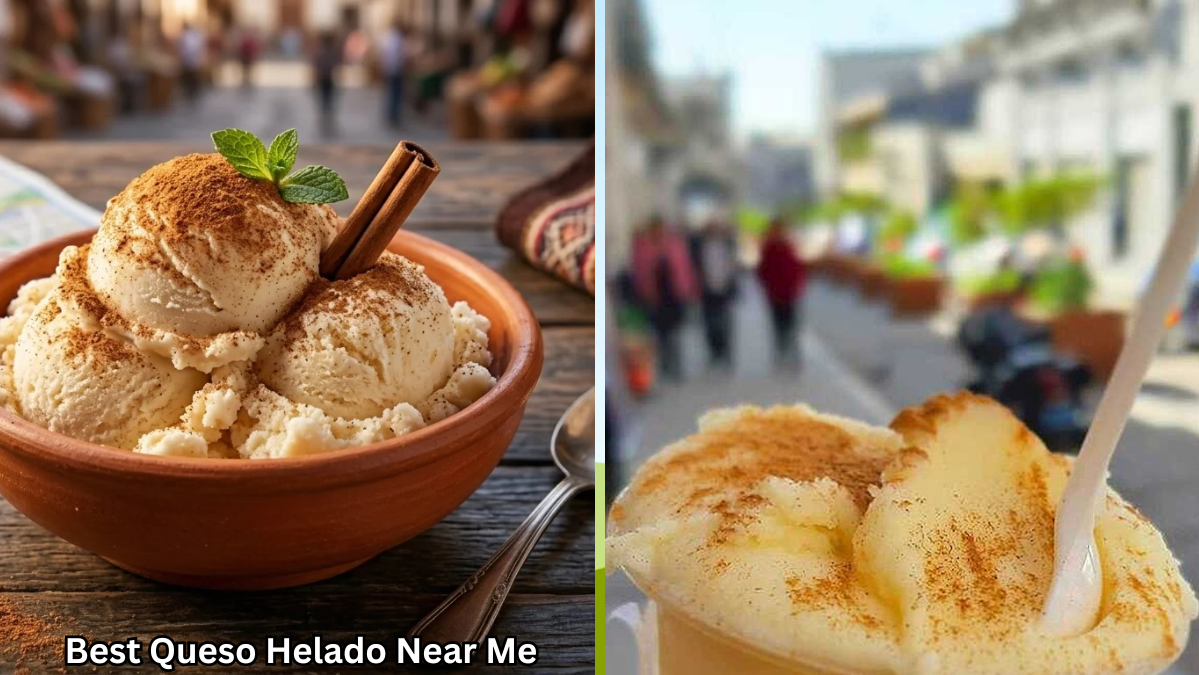
Searching for the best queso helado near me is often the beginning of a delicious journey into one of Peru’s most beloved traditional desserts. Despite its name, queso helado does not actually contain cheese. Instead, this creamy frozen treat combines milk, coconut, cinnamon, vanilla, and other aromatic ingredients to create a refreshing dessert that has delighted generations.
Originating in the city of Arequipa, queso helado is more than a simple frozen snack. It represents history, culture, craftsmanship, and family traditions passed down through the years. Today, it can be found in local markets, specialty dessert shops, food festivals, and Latin American restaurants around the world.
As global interest in authentic international cuisine continues to grow, more people are seeking traditional desserts that offer something beyond ordinary ice cream. Queso helado stands out because of its rich flavor profile, handmade preparation methods, and deep cultural roots. Whether you are experiencing it for the first time or revisiting a favorite childhood treat, finding a quality serving can be a memorable experience.
This comprehensive guide explores everything worth knowing about queso helado, including its history, ingredients, preparation methods, cultural significance, flavor characteristics, and tips for finding outstanding versions in your area.
Understanding the Origins of Queso Helado
Queso helado traces its roots to southern Peru, particularly the historic city of Arequipa. The dessert emerged during colonial times when local culinary traditions blended with European influences. Over generations, families developed recipes that reflected regional ingredients and cultural preferences.
The name translates directly to “frozen cheese,” which often surprises newcomers. The dessert earned this name because its appearance resembles grated white cheese when traditionally scraped and served. Although cheese is not part of the recipe, the visual similarity inspired a name that has remained for centuries.
In Arequipa, queso helado became an iconic street food sold by vendors carrying insulated containers through plazas and neighborhoods. Many residents associate the dessert with celebrations, family gatherings, and warm afternoons. Its enduring popularity demonstrates the strength of culinary traditions that connect communities across generations.
Today, travelers visiting Peru often consider tasting authentic queso helado an essential cultural experience. As Peruvian cuisine gains international recognition, the dessert continues expanding beyond its homeland and attracting new fans worldwide.
Why Queso Helado Is Different from Traditional Ice Cream
Many people initially assume queso helado is simply another type of ice cream. However, several important differences distinguish it from conventional frozen desserts.
Traditional ice cream relies heavily on cream, eggs, and extensive churning to achieve a smooth texture. Queso helado uses a different approach. The mixture typically contains milk, coconut, cinnamon, cloves, and sugar. Instead of aggressive churning, many traditional methods involve slow freezing and scraping.
The result is a texture that feels lighter and more crystalline while still maintaining creaminess. The aromatic spices create a warm flavor contrast against the cold temperature, producing a uniquely satisfying sensory experience.
Food enthusiasts often describe queso helado as sitting somewhere between ice cream, frozen milk, and shaved ice. This distinctive combination explains why so many people searching for authentic international desserts become enthusiastic fans after their first taste.
Its balance of sweetness and spice also makes it appealing to those who prefer desserts that are flavorful without being overwhelmingly sugary.
The Cultural Importance of Queso Helado in Peru
Few desserts hold the cultural significance that queso helado enjoys in Peru. For many families, recipes have been preserved and shared across multiple generations.
Street vendors play a particularly important role in maintaining the tradition. In many neighborhoods, local vendors become familiar figures whose recipes earn loyal followings. Their presence helps keep traditional preparation methods alive in an increasingly modern culinary landscape.
Community festivals frequently feature queso helado as a symbol of regional pride. Residents often introduce visitors to the dessert as a way of sharing local heritage and hospitality.
A well-known saying among some Arequipa residents reflects this connection:
“A visit to Arequipa feels incomplete without a cup of queso helado.”
The dessert serves as more than a treat. It represents memories, traditions, and a connection to place that continues to resonate with people of all ages.
Ingredients That Create the Signature Flavor
The beauty of queso helado lies in its simplicity. A relatively small number of ingredients combine to create remarkable depth and complexity.
The foundation typically begins with fresh milk. Some recipes use evaporated milk to enhance richness and consistency. Coconut contributes subtle sweetness and texture while complementing the dairy base.
Cinnamon is perhaps the most recognizable flavor component. Its warm, aromatic qualities create the signature taste that many people instantly associate with queso helado. Cloves often appear alongside cinnamon, adding additional spice and fragrance.
Vanilla provides smooth sweetness, while sugar balances the spices and dairy flavors. Some recipes include raisins, which introduce small bursts of natural sweetness throughout the dessert.
The careful balance among these ingredients creates a flavor profile that feels both comforting and distinctive.
Flavor Profile of Authentic Queso Helado
The first spoonful of authentic queso helado delivers a complex combination of sensations. The cold temperature provides immediate refreshment, while cinnamon and cloves release warm aromatic notes.
Milk contributes creamy richness without excessive heaviness. Coconut adds subtle tropical undertones that complement the spice blend beautifully.
Unlike many commercial frozen desserts, queso helado emphasizes balance rather than extreme sweetness. This allows individual flavors to remain distinct and enjoyable.
Many people notice that the dessert becomes increasingly flavorful as it slowly melts. The spices become more pronounced, revealing layers of taste that might initially remain subtle.
This evolving flavor experience helps explain why enthusiasts often describe queso helado as one of the most memorable frozen desserts they have ever tried.
Traditional Preparation Methods
Traditional preparation techniques remain central to the character of queso helado. Although modern equipment can simplify production, many artisans continue using methods passed down through generations.
The process typically begins by heating milk with cinnamon, cloves, and other flavorings. This allows the ingredients to infuse thoroughly and create a richly aromatic base.
After cooling, the mixture undergoes freezing while being periodically scraped or stirred. Historically, large containers surrounded by ice and salt facilitated this process.
Rather than producing an entirely smooth consistency, scraping creates delicate frozen layers that contribute to the dessert’s signature texture.
Many traditional makers view patience as an essential ingredient. The gradual freezing process allows flavors to develop fully while preserving the unique characteristics that distinguish queso helado from ordinary ice cream.
Comparing Queso Helado with Other Frozen Desserts
The growing popularity of international desserts often invites comparisons among different frozen treats. Understanding these distinctions helps highlight what makes queso helado unique.
| Dessert | Origin | Main Flavor Notes | Texture | Dairy Content |
|---|---|---|---|---|
| Queso Helado | Peru | Cinnamon, coconut, vanilla | Light and flaky | High |
| Ice Cream | Global | Varies widely | Smooth and creamy | High |
| Gelato | Italy | Rich and intense | Dense and silky | Moderate |
| Sorbet | France | Fruit-focused | Smooth and icy | None |
| Kulfi | India | Cardamom, nuts | Dense and rich | High |
| Granita | Sicily | Fruit and sugar | Crystalline | None |
Each dessert offers unique characteristics, but queso helado occupies a special place due to its combination of spice, creaminess, and traditional preparation techniques.
What Makes a Great Queso Helado Shop
When searching for the best queso helado near me, understanding quality indicators can help identify exceptional establishments.
Freshness is perhaps the most important factor. High-quality shops prepare their products regularly and maintain proper storage conditions. Fresh ingredients produce noticeably better flavor and texture.
Traditional recipes often signal authenticity. Vendors who emphasize heritage preparation methods frequently deliver a more genuine experience.
Aroma provides another useful clue. Strong notes of cinnamon and vanilla often indicate careful ingredient selection and proper infusion techniques.
Texture should strike a balance between creamy and lightly crystalline. Excessively icy or overly smooth versions may suggest shortcuts in preparation.
Friendly staff who understand the dessert’s history and ingredients can also enhance the overall experience by providing valuable insight into the tradition behind the treat.
Finding Authentic Queso Helado Outside Peru
The global rise of Peruvian cuisine has made authentic queso helado increasingly accessible. Many Latin American restaurants now include it among their dessert offerings.
Specialty dessert shops focused on international cuisine frequently feature queso helado as a signature item. Cultural festivals provide additional opportunities to discover authentic versions prepared by experienced vendors.
Peruvian grocery stores sometimes partner with local dessert makers to offer traditional frozen treats. Community events celebrating Latin American heritage may also showcase regional specialties.
Word-of-mouth recommendations remain especially valuable. Enthusiasts often know which establishments prioritize authenticity and quality.
Online reviews can provide helpful information as well, particularly when multiple customers consistently praise flavor, freshness, and traditional preparation methods.
Signs of Authentic Quality
Authentic queso helado exhibits several recognizable characteristics that experienced enthusiasts often seek.
The cinnamon aroma should be noticeable immediately upon serving. This fragrance represents one of the dessert’s defining features.
Texture should contain subtle flakes or crystals created through traditional freezing techniques. Perfect smoothness may indicate a product that resembles ordinary ice cream more than authentic queso helado.
The sweetness level should remain moderate. Traditional recipes focus on balance rather than overwhelming sugar content.
Flavor complexity is another important indicator. Distinct notes of cinnamon, milk, vanilla, coconut, and spice should work together harmoniously rather than blending into a single generic sweetness.
Consistency across visits also reflects quality. Skilled artisans strive to maintain the same flavor profile and texture regardless of season or production volume.
Why Food Lovers Are Searching for Traditional Desserts
Consumer preferences have shifted significantly in recent years. Many diners now seek authentic culinary experiences that connect them with culture, history, and craftsmanship.
Traditional desserts satisfy this desire by offering stories and heritage alongside flavor. Queso helado exemplifies this trend perfectly.
Rather than relying on novelty alone, the dessert represents centuries of culinary evolution. Its continued popularity demonstrates the enduring appeal of recipes rooted in tradition.
Food travelers increasingly prioritize local specialties during their journeys. Social media has further amplified interest in unique regional foods, encouraging people to explore lesser-known culinary treasures.
As a result, searches for the best queso helado near me continue growing among adventurous eaters eager to discover authentic international flavors.
Pairing Queso Helado with Other Foods
Queso helado performs beautifully both as a standalone dessert and as part of a broader culinary experience.
Fresh fruit pairs especially well with its creamy texture and spice-forward flavor profile. Mango, strawberries, and peaches provide bright contrasts that complement the dessert’s richness.
Coffee lovers often enjoy queso helado alongside a freshly brewed cup. The combination of warm coffee and cold dessert creates a satisfying contrast.
Light pastries can also accompany queso helado effectively. Their mild flavors allow the dessert to remain the focal point while adding textural variety.
Some modern chefs incorporate queso helado into plated desserts featuring caramel sauces, toasted nuts, or fruit reductions. These creative interpretations introduce the tradition to new audiences while respecting its origins.
Seasonal Popularity and Demand
Although queso helado can be enjoyed year-round, demand typically increases during warmer months. Its refreshing nature makes it particularly appealing on hot afternoons.
Summer festivals frequently feature vendors serving traditional frozen desserts. These events provide excellent opportunities to sample authentic versions and compare different preparation styles.
Tourism also influences seasonal demand. Visitors exploring Peruvian culture often seek out local specialties, including queso helado.
However, many enthusiasts enjoy the dessert regardless of weather conditions. The warming spice notes create a comforting quality that remains appealing even during cooler seasons.
This year-round versatility contributes to its enduring popularity across diverse climates and regions.
Health and Nutritional Considerations
Like most desserts, queso helado is best enjoyed as part of a balanced diet. However, its ingredient profile differs from many heavily processed frozen treats.
Traditional recipes rely on recognizable ingredients such as milk, cinnamon, cloves, coconut, and sugar. Many people appreciate this simplicity and transparency.
Portion sizes often remain moderate, encouraging mindful enjoyment. The rich flavor profile can make smaller servings feel satisfying.
Cinnamon and cloves contribute antioxidants and aromatic compounds commonly associated with traditional culinary practices.
While queso helado remains an indulgence, many consumers value its connection to authentic ingredients and traditional preparation methods.
The Growing International Popularity of Peruvian Desserts
Peruvian cuisine has gained substantial global recognition during the past two decades. Restaurants worldwide increasingly celebrate the country’s diverse culinary traditions.
While savory dishes often receive the most attention, desserts are experiencing their own rise in popularity. Queso helado stands among the most recognizable examples.
Food festivals, culinary tourism, and cultural exchange have introduced international audiences to Peru’s dessert heritage. As awareness grows, demand for authentic frozen treats continues expanding.
Many chefs appreciate queso helado because it combines familiar ingredients with unique preparation methods. This balance makes it approachable for newcomers while remaining distinct enough to create lasting impressions.
The growing visibility of Peruvian gastronomy suggests that queso helado will continue attracting enthusiastic new fans in the years ahead.
Community Traditions and Family Recipes
One reason queso helado remains so beloved is its deep connection to family traditions. Many households maintain recipes passed down across generations.
Grandparents often teach younger family members how to balance spices, prepare the milk base, and achieve the desired texture. These lessons preserve culinary knowledge while strengthening family bonds.
Community gatherings frequently feature homemade versions prepared for celebrations and special occasions.
A popular sentiment among longtime enthusiasts captures this emotional connection:
“Every spoonful carries a memory of home.”
Such personal associations transform queso helado from a simple dessert into a meaningful cultural symbol that continues connecting people to their heritage.
How to Identify the Best Queso Helado Near Me
Finding exceptional queso helado often requires paying attention to details that casual diners might overlook.
Seek establishments known for traditional preparation methods. Authentic recipes typically produce richer flavors and more distinctive textures.
Observe customer activity. Busy shops with loyal repeat visitors often indicate consistent quality and strong local reputations.
Evaluate ingredient freshness through aroma and taste. Pronounced cinnamon notes and balanced sweetness usually signal careful preparation.
Look for businesses that celebrate cultural authenticity rather than treating queso helado as an afterthought. Passionate vendors often invest significant effort in maintaining traditional standards.
Reading reviews focused specifically on flavor, texture, and authenticity can provide additional guidance when comparing options.
The Future of Queso Helado
The future appears bright for this cherished dessert. Growing interest in global cuisine continues introducing new audiences to traditional Peruvian specialties.
Artisan producers are finding creative ways to preserve heritage while adapting to modern markets. Many emphasize authentic ingredients, cultural storytelling, and handcrafted techniques.
Food tourism remains another powerful driver of awareness. Visitors who discover queso helado abroad frequently seek it again after returning home.
Educational efforts by chefs, historians, and cultural organizations further strengthen appreciation for the dessert’s significance.
As culinary diversity becomes increasingly valued, queso helado is well positioned to maintain its status as one of Peru’s most treasured frozen treats.
Conclusion
The search for the best queso helado near me represents more than a quest for dessert. It offers an opportunity to experience a rich culinary tradition rooted in history, culture, and craftsmanship. From its origins in Arequipa to its growing international popularity, queso helado continues captivating dessert lovers with its distinctive blend of milk, cinnamon, coconut, vanilla, and spice.
Its unique texture, balanced sweetness, and deep cultural significance set it apart from conventional frozen treats. Whether enjoyed from a traditional street vendor, a specialty dessert shop, or a respected Peruvian restaurant, authentic queso helado delivers an experience that goes beyond simple refreshment.
As awareness of global culinary traditions continues expanding, this beloved dessert remains a shining example of how food can preserve heritage, create memories, and bring people together through shared enjoyment.
FAQ
What is queso helado made from?
Queso helado is traditionally made with milk, sugar, cinnamon, cloves, vanilla, and coconut. Some recipes also include raisins. Despite its name, authentic queso helado does not contain cheese.
Why is it called queso helado if there is no cheese?
The dessert earned its name because its traditional scraped appearance resembles grated white cheese. The visual similarity inspired the term “frozen cheese,” even though cheese is not one of the ingredients.
How can I find the best queso helado near me?
Finding the best queso helado near me often involves looking for authentic Peruvian restaurants, specialty dessert shops, cultural festivals, and vendors known for traditional preparation methods and fresh ingredients.
Is queso helado healthier than regular ice cream?
Queso helado typically uses simple ingredients and may contain less fat than some premium ice creams. However, it is still a dessert and should be enjoyed in moderation as part of a balanced diet.
What does queso helado taste like?
Queso helado has a creamy yet light texture with prominent notes of cinnamon, vanilla, coconut, and milk. The combination creates a refreshing flavor that is sweet, aromatic, and distinctive.
Can queso helado be enjoyed year-round?
Yes. Although it is especially popular during warm weather, many people enjoy queso helado throughout the year because its comforting spice flavors make it appealing in every season.
Is queso helado popular outside Peru?
Yes. As Peruvian cuisine gains international recognition, queso helado has become increasingly available in Latin American restaurants, specialty dessert shops, food festivals, and cultural events around the world.
Read also Best Fricase Boliviano Near Me: The Complete Guide to Bolivia’s Most Beloved Comfort Food