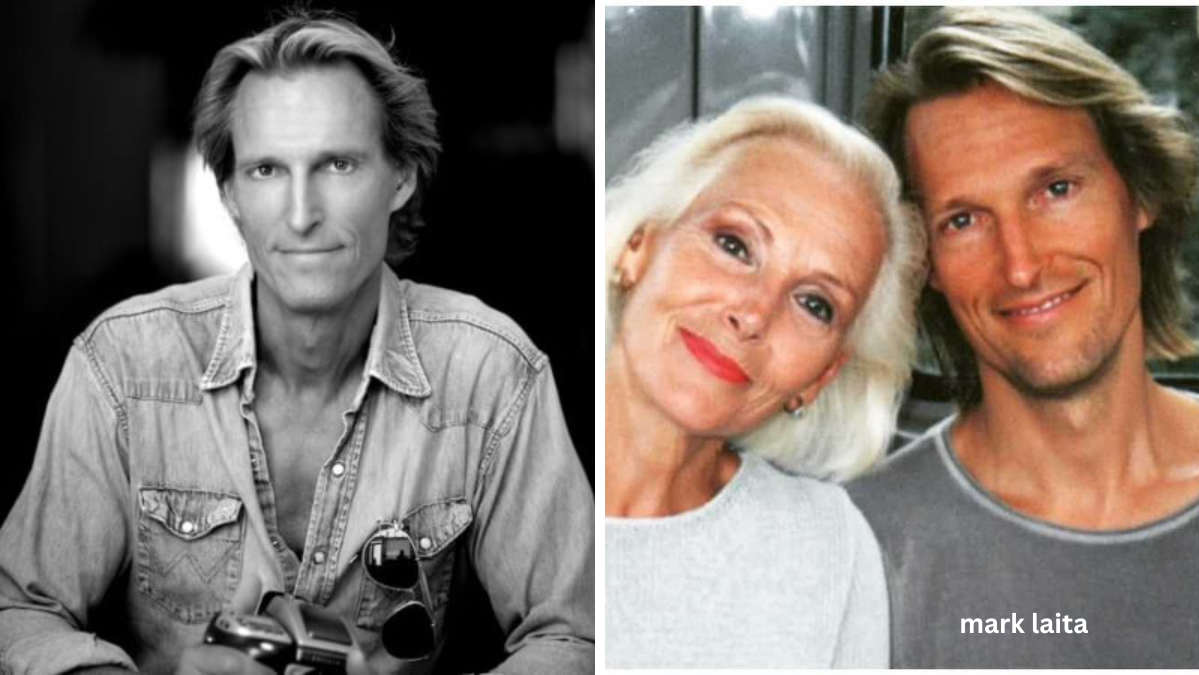
Few modern documentary creators have generated as much discussion online as Mark Laita. Known for his striking visual style, emotionally raw interviews, and unforgettable storytelling approach, he has built a reputation that stretches far beyond traditional photography. From commercial campaigns for global brands to deeply personal street interviews that reveal hidden realities of society, his career reflects decades of artistic evolution.
The growing popularity of his work comes from a rare ability to combine cinematic imagery with human vulnerability. Audiences are drawn to his projects because they often show people who are ignored, misunderstood, or pushed to the margins of society. Instead of polished celebrity culture, his work focuses on addiction, poverty, trauma, survival, and resilience. That contrast has made his documentaries both admired and controversial.
Over the years, viewers have searched for information about his background, career journey, photography methods, personal life, and creative philosophy. Interest has especially increased because of the success of the YouTube series Soft White Underbelly, which transformed him from a respected commercial photographer into a globally recognized documentary storyteller. His interviews routinely attract millions of views and spark discussions about mental health, homelessness, and social systems.
This detailed article explores the life, career, influence, artistic style, controversies, and long-term cultural impact of the acclaimed visual artist. It also examines how his work changed online documentary storytelling and why audiences continue to follow his projects so closely.
Early Life and Childhood Influences
Mark Laita was born in the United States and spent much of his early life surrounded by a traditional middle-American environment. Although his later work became associated with gritty realism and emotional storytelling, his upbringing was comparatively structured and conventional. That contrast between ordinary suburban life and the difficult realities he later documented would eventually become one of the defining themes in his artistic journey.
As a child, he showed an early interest in visual creativity. Photography and artistic expression became important outlets during his formative years. He was fascinated by how a single image could communicate emotion, personality, and atmosphere without words. Many photographers develop technical skills first and emotional depth later, but in his case, storytelling instincts appeared early.
His exposure to different social environments also played a role in shaping his perspective. Observing people from varied backgrounds sparked curiosity about identity and human behavior. Those experiences eventually influenced his documentary style, which focuses heavily on understanding people rather than simply observing them.
Family influences mattered as well. While there was no immediate indication that he would become a globally known photographer, encouragement toward creative exploration helped him develop confidence in artistic pursuits. By the time he entered adulthood, visual storytelling had already become more than a hobby.
The foundation of his later success can be traced to these early years. His ability to empathize with subjects, capture emotional intensity, and frame ordinary moments with cinematic power did not emerge overnight. They were built through years of observation, experimentation, and curiosity about the human condition.
Education and Artistic Development
Formal education helped refine the natural instincts that had already begun shaping his visual identity. During his academic years, he studied photography and design principles that later became central to his professional work. Technical training gave him a deeper understanding of composition, lighting, framing, and narrative structure.
Unlike photographers who focus only on artistic abstraction, he developed an approach that balanced commercial precision with emotional realism. This combination would later make him highly successful in advertising photography while still allowing room for personal artistic expression.
During the early phase of his career, experimentation played an important role. He explored portrait photography, product imagery, conceptual art, and documentary visuals. Each genre contributed different lessons. Commercial assignments taught discipline and technical excellence, while personal projects helped him explore emotion and social commentary.
One notable characteristic of his artistic development was attention to detail. His photographs often feature carefully controlled lighting, strong contrast, and deliberate framing. Even when capturing spontaneous interviews, the visual structure remains intentional. That polished aesthetic later became one of the defining characteristics of his documentary videos.
Another important aspect of his growth involved learning how to communicate with subjects. Great portrait photography requires more than camera knowledge. It demands trust, timing, empathy, and psychological awareness. Over time, he became skilled at helping people feel comfortable enough to reveal authentic emotions on camera.
His educational journey did not simply prepare him for a job in photography. It shaped a creative philosophy centered on honesty, visual impact, and emotional depth.
Building a Career in Commercial Photography
Before online documentary fame, Mark Laita established himself as one of the most respected commercial photographers in the industry. His portfolio included work for major corporations, luxury brands, and high-profile advertising campaigns. This stage of his career demonstrated not only artistic talent but also business discipline and professional consistency.
Commercial photography is highly competitive. Success requires technical perfection, creative adaptability, and the ability to deliver results under pressure. His work stood out because it combined elegant visual design with storytelling elements that made advertisements feel emotionally engaging rather than purely promotional.
Brands appreciated his cinematic style and sharp visual execution. His images often carried dramatic lighting and strong emotional tone, helping products appear sophisticated and memorable. Over time, his reputation expanded significantly within the advertising world.
The following table highlights key aspects of his commercial photography career:
| Career Area | Details |
|---|---|
| Photography Focus | Advertising, portraiture, conceptual imagery |
| Known For | Dramatic lighting and emotional visual style |
| Commercial Clients | Major international brands and campaigns |
| Artistic Strength | Combining storytelling with visual precision |
| Transition Point | Shift from advertising to documentary storytelling |
| Public Recognition | Expanded globally through online interviews |
While commercial success brought financial stability and professional recognition, it did not fully satisfy his creative ambitions. Many artists eventually reach a point where technical achievement alone feels limiting. That desire for deeper meaning appears to have influenced his transition toward documentary work.
Even during his advertising years, traces of social observation and emotional storytelling remained visible. He was interested not only in appearance but also in personality and vulnerability. Those interests later became the foundation of his most famous project.
Commercial photography sharpened his skills in ways that later benefited his documentaries enormously. The lighting, camera placement, framing, and pacing seen in his interviews reflect decades of professional visual experience.
The Birth of Soft White Underbelly
The project most associated with Mark Laita is undoubtedly Soft White Underbelly. Originally launched as a YouTube interview series, it quickly evolved into a cultural phenomenon. The title itself refers to the hidden, vulnerable, and often painful aspects of society that most people prefer not to see.
The concept behind the series is deceptively simple. Individuals from marginalized communities sit in front of the camera and speak openly about their lives. Subjects include people experiencing homelessness, addiction, gang involvement, abuse, sex work, poverty, trauma, and mental illness. Yet despite the simplicity of the format, the emotional impact is often intense.
One reason the project resonated with viewers is authenticity. Interviews are usually direct, minimally interrupted, and emotionally raw. Rather than heavily scripted documentaries, the conversations feel personal and immediate. Subjects tell their own stories in their own words.
Visual presentation also plays a major role. The clean background, controlled lighting, and intimate framing create an atmosphere that feels cinematic but not distracting. The focus remains entirely on the individual speaking. His photography background gave the interviews a distinctive visual identity that separates them from ordinary online content.
The series became popular partly because it addressed subjects rarely discussed honestly in mainstream media. Audiences encountered stories of trauma, survival, regret, and resilience without sensational editing or dramatic music. That straightforward presentation created emotional intensity on its own.
As the channel grew, millions of viewers began following interviews regularly. Some episodes went viral, attracting widespread attention across social media platforms. The success transformed him from a respected photographer into a globally recognized documentary creator.
Why Audiences Connect With His Interviews
Many documentary creators interview vulnerable people, but relatively few achieve the level of audience engagement associated with Soft White Underbelly. Several factors explain why viewers connect so strongly with the content.
First, the interviews often reveal unexpected complexity. Individuals who might normally be dismissed or stereotyped are presented as multidimensional human beings. Viewers hear detailed personal histories involving childhood trauma, addiction, violence, abandonment, or systemic failure. These stories challenge simplistic judgments.
Second, emotional honesty plays a central role. Subjects frequently discuss painful experiences with remarkable openness. That honesty creates a sense of intimacy rarely found in modern media. Audiences feel as though they are listening to real people rather than watching scripted entertainment.
Another factor is visual consistency. The recognizable interview setup gives the series a professional and emotionally focused atmosphere. Lighting, composition, and pacing remain controlled without feeling artificial. This visual identity strengthens the emotional weight of the conversations.
The creator himself also influences the tone. His interviewing style is usually calm, patient, and observational rather than confrontational. He allows people to speak freely, which encourages longer and more personal responses. Even viewers who disagree with aspects of the project often acknowledge the emotional impact of the interviews.
Social media culture has also contributed to the channel’s growth. In an era dominated by short attention spans and superficial content, long-form emotional storytelling feels refreshing to many audiences. People increasingly search for authentic human experiences online, and the series delivers exactly that.
The popularity of these interviews reflects a broader cultural interest in empathy, mental health awareness, and social inequality. Audiences are not simply watching for entertainment. Many are trying to understand experiences very different from their own.
Photography Style and Visual Identity
The visual style associated with Mark Laita is one of the strongest reasons his work stands out. His background in high-end commercial photography shaped a distinct aesthetic that combines cinematic elegance with emotional realism.
Lighting is perhaps the most recognizable aspect of his visual identity. Subjects are often illuminated in a way that highlights facial detail and emotional expression while keeping distractions minimal. Shadows are carefully controlled to create depth and atmosphere. This approach gives interviews an almost portrait-like quality.
Composition is equally important. Frames are typically clean and centered, drawing attention directly to the subject. Unlike chaotic documentary filmmaking styles that rely on movement and visual overload, his work often feels still and intentional. That simplicity allows viewers to focus on emotion and storytelling.
Color grading and tonal balance also contribute significantly. The imagery often carries muted, natural tones that reinforce emotional seriousness without appearing overly stylized. The visuals feel polished but not glamorous.
His commercial photography background taught him how to make images visually compelling while maintaining clarity. That skill translates effectively into documentary work because it keeps viewers engaged even during long conversations.
There is also a psychological element to his photography style. Close framing creates intimacy, making viewers feel personally connected to subjects. Eye contact becomes powerful because the camera positioning encourages direct emotional engagement.
The overall effect is both artistic and humanizing. Subjects who are often ignored by society are presented with dignity and visual care. Regardless of social status, every individual is framed with the same professional attention.
This consistent visual language helped establish a recognizable brand identity and contributed significantly to the widespread popularity of his documentaries.
Controversies and Public Criticism
Despite widespread admiration, the work of Mark Laita has also attracted substantial criticism and controversy. Discussions surrounding ethics, exploitation, consent, and representation frequently appear in conversations about the channel.
One major criticism involves the portrayal of vulnerable individuals. Some critics argue that interviewing people dealing with addiction, mental illness, or homelessness can become exploitative, especially when those interviews generate significant online revenue and public attention. Concerns arise about whether subjects fully understand the long-term consequences of internet exposure.
Others question the balance between awareness and entertainment. Emotional stories naturally attract viewers, but critics argue that trauma can sometimes become commodified in digital media environments. The line between documenting suffering and profiting from it is a complicated ethical issue.
Supporters of the project often respond by emphasizing the dignity and visibility provided to marginalized individuals. Many subjects speak openly about wanting their stories heard. Some viewers believe the interviews encourage empathy and social awareness rather than exploitation.
Another source of controversy involves the creator’s own commentary during interviews and public discussions. Certain statements have generated backlash online, leading to debates about social responsibility and representation.
The emotional intensity of the content itself also contributes to polarized reactions. Some viewers appreciate the raw honesty, while others find the interviews emotionally overwhelming or ethically uncomfortable.
Importantly, controversy has not diminished public interest. In many ways, debates surrounding the project have increased its visibility. Discussions about ethics, storytelling, and documentary responsibility continue to surround the series as its audience grows.
The broader significance of these controversies extends beyond one creator. They reflect larger cultural questions about digital media, documentary storytelling, poverty representation, and online audiences.
Influence on Online Documentary Storytelling
The impact of Soft White Underbelly on digital documentary culture is difficult to ignore. Long-form emotional interviews existed before the project, but its visual style and viral success influenced many creators who later adopted similar formats.
Online platforms increasingly reward authenticity and emotional engagement. The series demonstrated that viewers were willing to spend significant time watching intimate conversations about difficult subjects if the storytelling felt genuine. This insight influenced broader trends in independent documentary content.
The project also blurred boundaries between photography, filmmaking, journalism, and social commentary. Traditional media organizations often rely on large production teams and structured reporting formats. In contrast, his work showed that a single creator with strong visual skills could build a massive documentary audience online.
Another important influence involves presentation quality. Many internet interviews previously relied on casual setups and inconsistent production values. His polished cinematic approach raised expectations for visual storytelling on YouTube and other platforms.
The series also contributed to growing public interest in marginalized communities. Conversations about addiction, homelessness, childhood trauma, and systemic inequality became more visible through viral interview clips and social media discussions.
Independent creators studying documentary storytelling frequently reference the channel as an example of emotionally compelling minimalist production. The formula appears simple, but successful execution requires technical skill, interviewing ability, emotional awareness, and consistent creative vision.
Even critics who dislike aspects of the project generally acknowledge its cultural influence. It changed how many people think about online documentaries and demonstrated the massive audience potential for emotionally raw human storytelling.
Personal Philosophy and Creative Perspective
Understanding the creative philosophy behind Mark Laita helps explain why his work feels different from many traditional documentaries. At the core of his approach is a fascination with human complexity.
He often appears interested in the contrast between appearance and reality. Many interview subjects initially seem defined by addiction, homelessness, or crime, but deeper conversations reveal complicated emotional histories and personal struggles. This emphasis on nuance shapes much of the project’s emotional impact.
Empathy also plays a major role in his creative perspective. Although critics debate aspects of the project, supporters argue that the interviews encourage viewers to see humanity in people society often ignores. By allowing subjects to speak without excessive interruption, the creator attempts to center their experiences rather than impose external narratives.
Another important element is curiosity. His interviews often feel driven by a desire to understand rather than judge. That tone encourages subjects to share personal details they might otherwise hide.
His photography background also contributes to his philosophy. Visual storytelling is treated with seriousness and precision. Even emotionally chaotic stories are presented within carefully structured imagery, reinforcing a sense of dignity and attention.
One quote frequently associated with documentary storytelling reflects the spirit of his work:
“Every person you meet is carrying a story you know nothing about.”
This idea appears repeatedly throughout the interviews. Regardless of public assumptions, individuals often reveal histories involving trauma, survival, loss, or resilience that complicate stereotypes.
Another defining aspect of his philosophy is realism. Rather than offering overly optimistic narratives, the interviews frequently present difficult truths without easy solutions. This honesty resonates strongly with viewers seeking authentic storytelling.
Most Memorable Interviews and Viral Moments
Several interviews associated with the channel became especially influential online. These episodes often spread rapidly across social media because of their emotional intensity or shocking personal revelations.
Some interviews focused on addiction and recovery, while others explored childhood trauma, gang culture, sex work, or homelessness. Certain subjects became recurring personalities on the channel, creating long-term audience investment in their lives and struggles.
One reason these interviews go viral is unpredictability. Viewers often begin watching with assumptions about a person’s life, only to discover unexpectedly emotional or intellectually complex stories. That emotional reversal creates powerful audience reactions.
Recurring themes appear throughout many memorable interviews. Trauma during childhood is especially common. Many subjects describe abuse, neglect, abandonment, or systemic failure at very young ages. These stories encourage viewers to think more deeply about the roots of addiction and homelessness.
Another factor behind the popularity of specific interviews is emotional vulnerability. Some subjects speak with extraordinary honesty about pain, regret, loneliness, and survival. That openness creates unforgettable moments that audiences continue discussing long after viewing.
The creator’s interview style also contributes significantly. Silence, patience, and minimal interruption allow subjects to guide conversations naturally. Emotional moments are rarely forced because the pacing remains relatively calm and observational.
Certain viral clips generated millions of views because they captured broader social anxieties about inequality, addiction, and mental health. Audiences increasingly recognize that these issues affect communities across every social class.
The lasting popularity of these interviews demonstrates the enduring power of human storytelling. Despite technological change and rapidly shifting internet trends, deeply personal narratives continue to resonate with audiences worldwide.
Public Perception and Internet Fame
Internet fame differs dramatically from traditional celebrity culture, and Mark Laita represents a unique example of that shift. His recognition comes not from acting, music, or mainstream television but from digital documentary storytelling.
Public perception of him varies widely depending on individual viewers. Some see him as an empathetic storyteller shining light on overlooked communities. Others view the project through a more critical lens, questioning ethical boundaries and representation methods.
What makes his internet fame particularly interesting is the emotional relationship audiences develop with the content. Many viewers do not simply watch interviews casually. They follow recurring subjects, discuss episodes extensively online, and form strong opinions about the creator’s decisions and commentary.
Social media has amplified both praise and criticism. Viral clips spread rapidly, attracting new audiences while also inviting scrutiny from commentators, journalists, and activists. The emotionally charged nature of the interviews naturally encourages debate.
Unlike traditional celebrities whose public image is heavily managed, online creators often operate with more direct audience interaction. This creates both authenticity and volatility. Public reactions can shift quickly based on interviews, statements, or controversies.
Despite criticism, his audience remains extremely loyal. Many viewers believe the project has helped increase public empathy toward marginalized people. Others credit the interviews with encouraging discussions about trauma and mental health that might otherwise remain hidden.
Internet fame also brought broader recognition for his earlier photography work. Audiences who discovered him through documentaries often became interested in his commercial photography background and artistic evolution.
His career demonstrates how digital platforms have transformed media influence. A creator with a camera, distinctive vision, and consistent storytelling approach can now reach global audiences without relying on traditional television networks.
Commercial Success and Financial Growth
Success in documentary media often depends on balancing artistic goals with financial sustainability. Over time, the growing popularity of his work created substantial commercial opportunities.
YouTube revenue became one obvious income source. Channels with millions of views can generate significant advertising revenue, especially when audiences spend long periods watching videos. Because many interviews are lengthy and highly engaging, viewer retention tends to remain strong.
Additional revenue streams likely include sponsorships, photography sales, speaking opportunities, licensing, and other creative projects. His earlier commercial photography career already established professional credibility and industry connections before internet fame expanded his audience further.
Commercial success also reflects changing media economics. Independent creators no longer depend entirely on television networks or publishing companies. Platforms like YouTube allow documentary storytellers to reach global audiences directly.
However, financial success has also intensified ethical debates surrounding the project. Critics sometimes question how revenue generated from vulnerable individuals should be handled. Supporters counter that the creator often provides assistance to subjects and raises awareness about serious social problems.
The intersection between commerce and documentary storytelling has always been complicated. Films, books, journalism, and television programs dealing with poverty or trauma have historically generated revenue while portraying difficult realities. Online media simply makes those dynamics more visible.
Regardless of differing opinions, the commercial growth of the project demonstrates enormous public demand for emotionally honest storytelling. Audiences increasingly seek content that feels authentic rather than overly polished or artificially optimistic.
The financial success associated with his work also highlights the broader transformation of independent media careers in the digital age.
The Emotional Impact of His Work
One reason audiences continue returning to these documentaries is emotional impact. Many viewers describe the interviews as difficult but important experiences. The stories often reveal painful realities that people rarely confront directly in everyday life.
Themes of trauma, addiction, abuse, poverty, and survival appear repeatedly throughout the content. These subjects naturally evoke strong emotional responses. Some interviews leave viewers heartbroken, while others inspire empathy or reflection about social systems.
The emotional intensity comes partly from authenticity. Subjects often speak openly without scripted language or polished presentation. Their stories feel immediate and personal rather than filtered through traditional media narratives.
Another important aspect involves relatability. Even when viewers have never experienced homelessness or addiction, many recognize emotions such as loneliness, regret, fear, or hope. These universal emotional experiences create connection across very different life circumstances.
The interviews also challenge stereotypes. Individuals society might dismiss are shown expressing intelligence, humor, vulnerability, and emotional depth. This humanization encourages viewers to reconsider assumptions about marginalized communities.
Some audiences describe the project as emotionally exhausting because of the constant exposure to suffering. Others see it as deeply educational and necessary. Both reactions reflect the psychological intensity of the content.
A quote often associated with compassionate storytelling captures part of the emotional philosophy behind such documentaries:
“People are more than the worst thing they’ve ever done.”
This perspective appears throughout many interviews. Subjects are not presented solely as addicts, criminals, or victims. They are shown as complicated human beings shaped by experiences, choices, systems, and circumstances.
The emotional resonance of these stories explains why viewers continue discussing them long after watching.
Criticism From Documentary and Journalism Communities
Professional documentary filmmakers and journalists have also debated the methods associated with Mark Laita. Ethical discussions surrounding consent, vulnerability, and representation are common within documentary industries, and his work frequently becomes part of those conversations.
One issue involves power dynamics. Critics argue that interviewing individuals in extremely vulnerable situations can create imbalance between filmmaker and subject. Questions arise regarding informed consent, emotional safety, and long-term exposure.
Another concern relates to editorial framing. Even minimal editing choices influence how audiences interpret stories. Decisions about titles, thumbnails, and highlighted moments can shape public perception significantly.
Some journalists also question the absence of broader systemic analysis in certain interviews. Personal stories are emotionally powerful, but critics argue they sometimes lack deeper exploration of policies, economics, or institutional failures connected to homelessness and addiction.
Supporters respond that the project is intentionally focused on personal storytelling rather than investigative journalism. They argue that hearing individuals speak directly about their experiences has value even without extensive policy analysis.
The debate reflects broader tensions within documentary media. Should documentaries primarily educate, advocate, observe, or entertain? Different creators answer that question differently.
Another aspect of criticism involves audience behavior. Viral internet culture can sometimes encourage viewers to consume traumatic stories quickly without deeper reflection. Critics worry that emotionally intense interviews may become another form of digital spectacle.
At the same time, many documentary professionals acknowledge the creator’s remarkable interviewing ability and visual consistency. Even critics often recognize the project’s emotional impact and cultural influence.
These debates are unlikely to disappear because they involve fundamental questions about storytelling ethics in the digital age.
Influence on Conversations About Addiction and Homelessness
The popularity of the interviews significantly influenced public discussions surrounding addiction and homelessness. Millions of viewers encountered personal stories that challenged simplistic stereotypes and forced deeper reflection about social issues.
Traditional media often portrays homelessness in broad statistical or political terms. In contrast, these interviews emphasize individual experiences and emotional histories. Viewers hear directly from people describing childhood trauma, family breakdown, mental illness, abuse, and systemic failure.
This human-centered storytelling changes how some audiences think about addiction. Rather than seeing substance abuse purely as moral failure, viewers increasingly recognize connections between trauma and self-destructive behavior.
The interviews also highlight the complexity of recovery. Many subjects describe cycles of relapse, temporary stability, emotional struggle, and institutional obstacles. These realities complicate simplistic narratives about rehabilitation.
Mental health awareness is another major theme. Interviews frequently reveal untreated psychological conditions, emotional isolation, and long-term trauma. Audiences begin recognizing how deeply mental health intersects with homelessness and addiction.
The project’s influence extends beyond awareness alone. Many viewers report donating to charities, volunteering, or becoming more compassionate toward vulnerable individuals after watching the interviews.
However, critics argue that awareness without structural action has limitations. Personal stories can generate empathy, but long-term solutions require policy changes and systemic reform.
Even so, the cultural impact remains significant. By bringing hidden experiences into public conversation, the interviews contributed to broader societal discussions about inequality, trauma, and human dignity.
Artistic Legacy and Long-Term Cultural Impact
The long-term legacy of Mark Laita will likely involve both artistic influence and ethical debate. Few independent documentary creators have shaped online storytelling culture as dramatically in recent years.
Artistically, his combination of commercial photography aesthetics with emotionally raw documentary interviews created a distinctive format that many creators later imitated. The clean visual presentation, intimate framing, and emotionally direct storytelling became highly recognizable.
Culturally, the interviews contributed to growing public awareness about marginalized communities. Millions of viewers encountered stories they might never otherwise hear. Whether praised or criticized, the project undeniably expanded visibility for difficult social realities.
Another important aspect of his legacy involves platform transformation. He demonstrated that long-form documentary storytelling could thrive online without traditional television structures. This opened opportunities for many independent creators exploring serious subjects.
At the same time, ethical controversies surrounding the project will remain part of its historical discussion. Future conversations about documentary responsibility, internet fame, and vulnerability representation will likely continue referencing his work.
Legacy often depends not only on artistic achievement but also on cultural conversation. In that sense, his impact is already substantial. Supporters and critics alike continue debating the meaning, value, and consequences of the interviews.
The broader significance extends beyond one creator. His career reflects major shifts in media culture, including the rise of independent digital storytelling, audience demand for authenticity, and growing public interest in emotionally honest content.
Regardless of individual opinion, his influence on modern online documentary culture is undeniable.
Conclusion
Mark Laita built an extraordinary career by combining artistic photography skills with emotionally powerful storytelling. From successful commercial campaigns to deeply personal documentary interviews, his work reflects decades of visual experience and creative evolution.
The success of Soft White Underbelly transformed him into one of the most recognizable documentary creators on the internet. Millions of viewers connect with the interviews because they reveal hidden human experiences with unusual honesty and emotional depth.
At the same time, the project continues generating debate about ethics, exploitation, vulnerability, and documentary responsibility. These controversies are part of what makes the work culturally significant. It forces audiences to confront uncomfortable realities and difficult questions about society.
His visual style, interviewing approach, and storytelling philosophy influenced modern digital documentaries in meaningful ways. Whether admired or criticized, his work changed how many people think about online human-interest storytelling.
Ultimately, the enduring popularity of his interviews reflects a universal truth: people are deeply interested in understanding one another. Beneath addiction, poverty, fame, trauma, or social labels, audiences continue searching for authentic human connection. His documentaries succeed because they place that humanity at the center of the frame.
FAQ
Who is Mark Laita?
Mark Laita is an American photographer, filmmaker, and documentary creator best known for the YouTube interview series Soft White Underbelly. Before becoming famous online, he built a successful career in commercial photography and advertising.
Why is Mark Laita famous?
He became widely known because of Soft White Underbelly, a documentary-style interview project focusing on marginalized individuals, including people experiencing addiction, homelessness, and trauma. The emotional honesty and cinematic presentation of the interviews helped the series gain millions of viewers.
What is Soft White Underbelly about?
Soft White Underbelly is a long-form interview series that explores hidden aspects of society through personal conversations with vulnerable and marginalized individuals. Topics often include addiction, mental health, poverty, abuse, and survival.
What type of photographer is Mark Laita?
He is known for commercial, portrait, and conceptual photography. His visual style emphasizes dramatic lighting, emotional depth, and strong composition. These techniques later became central to his documentary filmmaking approach.
Why is Mark Laita controversial?
Criticism surrounding his work often focuses on ethics, representation, and the treatment of vulnerable interview subjects. Some viewers believe the project raises awareness and empathy, while others question whether certain interviews may be exploitative.
What makes his interviews different from other documentaries?
The interviews stand out because of their intimate style, cinematic visuals, and emotionally direct storytelling. Subjects usually speak openly without heavy narration or complex editing, allowing audiences to focus on personal experiences.
Has Mark Laita influenced online documentary culture?
Yes. His work significantly influenced independent documentary storytelling on digital platforms. Many creators adopted similar approaches involving minimalist interviews, emotional realism, and visually polished presentation styles.